
This is one of the most common questions we get—and one of the most misunderstood.
In plain English, a home inspection is a top-to-bottom, inside-and-out evaluation of a home’s major systems and components. We’re typically onsite for 2 to 4 hours, depending on the size and condition of the property.
But here’s the part most buyers don’t realize:
A home inspection is not perfect, and it does have limitations.
Understanding both sides—what we do cover and what we don’t—is critical if you want to make a good decision when buying a home.

What a Home Inspection Covers
At a high level, we are evaluating the major systems of the home. These are the things that matter most from a safety, functionality, and cost standpoint.
- Exterior: siding, trim, cladding, windows and doors, flashing details, decks, patios, and driveways
- Structure: foundation, floor structure and framing, beams and supports, crawlspaces and attics
- Roof System: roof coverings, flashings and penetrations, chimneys, gutters and downspouts, plumbing vents
- Plumbing: water supply and distribution, drain, waste, and vent systems, fixtures and faucets, water heater, sump pump systems,
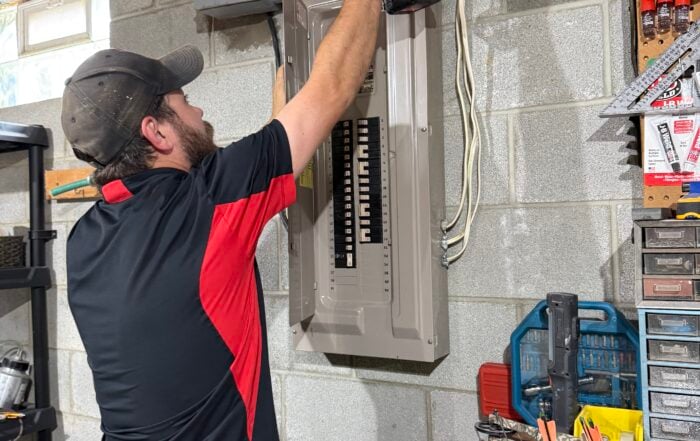
- Electrical: service entrance and panels, wiring types and condition, grounding and bonding, outlets, switches, breakers, safety items (GFCI, AFCI, smoke detectors, CO alarms)
- HVAC: heating and cooling systems, ductwork and venting, basic operation and installation
- Interior: walls, ceilings, floors, doors and windows, stairs and handrails, garage doors, built-in kitchen appliances (not all appliances)
- Insulation & Ventilation: attic insulation levels, attic ventilation, bathroom, kitchen, and laundry exhaust
- Fireplaces: firebox and damper, visible flue condition, vent connections

The Most Important Thing to Understand
A home inspection is:
A visual inspection, performed on a specific day, under specific conditions.
That means:
- We can only inspect what we can see
- We are not opening walls or dismantling systems
- We cannot simulate heavy rain, snow, or extreme temperatures
For example:
- If it’s a dry August, it can be harder to identify active leaks
- If systems are near the end of their life, they may work today and fail tomorrow
This is why we always recommend reviewing seller disclosures carefully alongside the inspection.
What a Home Inspection Does NOT Cover (The Biggest Surprises)
This is where most buyers get caught off guard.
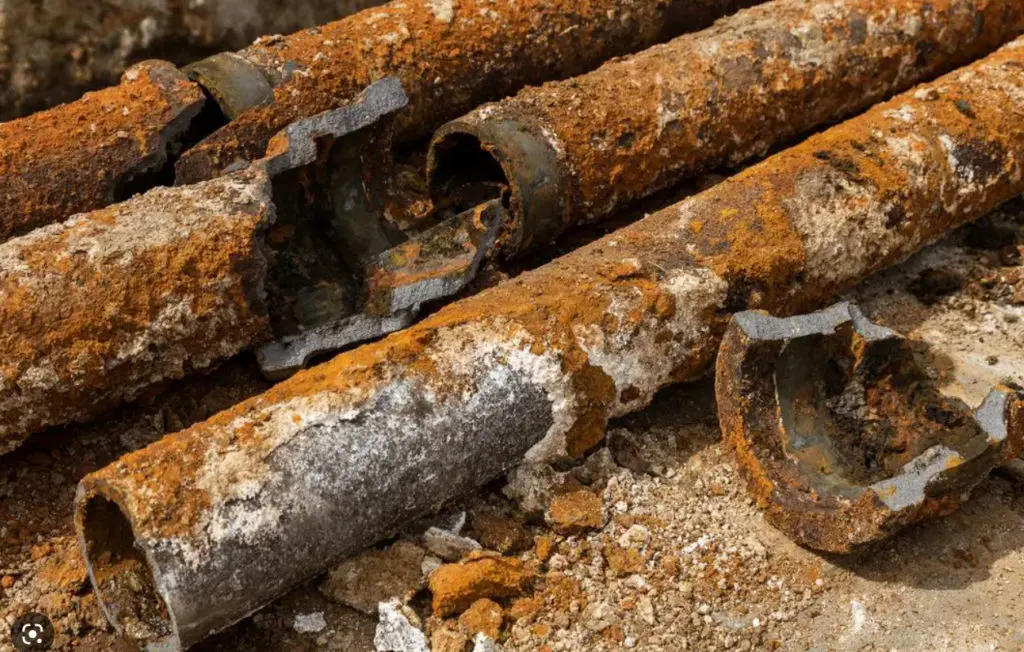
Sewer Line (Big One)
We run a lot of water during an inspection—but we cannot see the main sewer line going to the street. In older homes (especially pre-1980), these lines are often made of clay tile or cast iron and are prone to:
- Tree root intrusion
- Blockages
- Collapses or “bellies”
If you’re buying an older home, a sewer scope is one of the most valuable add-ons you can get.
Radon Testing
Radon is a cancer-causing gas that can build up in homes.
- It is NOT included in a standard inspection
- Requires a separate test and license in Ohio
If you want it tested, you need to add it on.
Wood Destroying Insects (Termites, etc.)
This is a separate inspection in Ohio with its own licensing.
Even without it:
- We will point out obvious signs if we see them
- But we are not performing a dedicated inspection unless it’s ordered
Mold Testing
We can identify visible mold-like substances, but:
- We cannot confirm mold without lab testing
- We cannot see hidden mold behind walls or in ductwork
Air quality or mold testing is a separate service.
Specialty Systems & Non-Standard Items
These are commonly assumed to be included—but aren’t:
- Pools, hot tubs, saunas
- Generators
- Solar systems
- Lawn irrigation
- Water filtration systems
- Smart home devices
- Washers & dryers
- Tree health (requires an arborist)
These fall outside the standard scope and often require specialists.
Underground & Hidden Conditions
We cannot inspect:
- Underground plumbing or drainage
- Septic systems (without a separate inspection)
- Environmental hazards (asbestos, lead, etc.)
- Hidden damage behind walls
Again—it comes back to one rule:
If we can’t see it, we can’t inspect it.
What Buyers Often Get Wrong
Most buyers are actually impressed with how thorough inspections are.
But the biggest misunderstandings are:
- Expecting invasive testing (cutting into walls, dismantling systems)
- Assuming systems are “guaranteed” because they worked during inspection
- Thinking everything is included (radon, sewer, mold, etc.)
The reality:
We are evaluating condition and performance—not predicting the future.

How to Actually Use a Home Inspection (This Is What Matters Most)
At the end of the inspection, our job is to provide context, not just a list of issues.
We generally break things down like this:
Health & Safety Issues (Top Priority)
These should be addressed before moving in:
- Electrical hazards
- Gas leaks
- Major safety concerns
Defective Items
These are not functioning properly and typically need repair or replacement.
We recommend:
- Getting these evaluated further
- Understanding the cost before moving forward
Marginal Items
These are:
- Still working
- But showing wear or age
Think of these as maintenance or “coming soon” items.
Acceptable Items
Functioning as intended.
What We Don’t Do (By Design)
To keep things clear:
- We do not tell you what to negotiate
- We do not assign value to repairs
- We do not provide cost estimates
Why?
Because:
- Costs vary widely
- Unknowns are discovered during repairs
- Labor vs DIY makes a huge difference
Our job is to give you clear, organized information so you can make your own decision.
The Bottom Line
A home inspection is one of the best tools you have as a buyer—but only if you understand what it is (and isn’t).
It DOES:
- Evaluate major systems
- Identify visible defects
- Help you prioritize issues
It DOES NOT:
- See inside walls
- Predict future failures
- Cover every possible issue
If you go into the process with the right expectations, it becomes incredibly valuable.
If not, it can lead to confusion or missed risks.

About the Author
Taylor Radloff : General Manager
Taylor oversees finance, accounting, marketing, and company strategy at Erie Inspection Service. Before joining Erie, he worked as a Multinational Banker at J.P. Morgan and brings a strong background in business operations and financial management.

Contact Us
Contact us for your home inspection today!
 800-434-6022