
If you’re buying a home with a geothermal heating and cooling system, you may have questions. How does it work? Is it reliable? What does a home inspector look at?
Geothermal systems — also called ground-source heat pumps — are highly efficient heating and cooling systems that use the earth’s stable underground temperature to regulate indoor comfort.
Here’s what every homebuyer in Northern Ohio should understand.
What Is a Geothermal Heating and Cooling System?
A geothermal system transfers heat between your home and the earth using a network of underground pipes known as ground loops. These loops circulate a fluid that absorbs heat from the ground in winter and releases heat back into the ground during summer.
In Ohio, the temperature below the surface remains around 50–55°F year-round, allowing geothermal systems to operate efficiently regardless of outdoor weather conditions.
Depending on the home’s design, the system may distribute heating and cooling through:
- A forced air duct system
- Radiant floor heating
- A combination of both
Unlike traditional HVAC systems, geothermal systems do not use an outdoor condenser unit exposed to the elements.
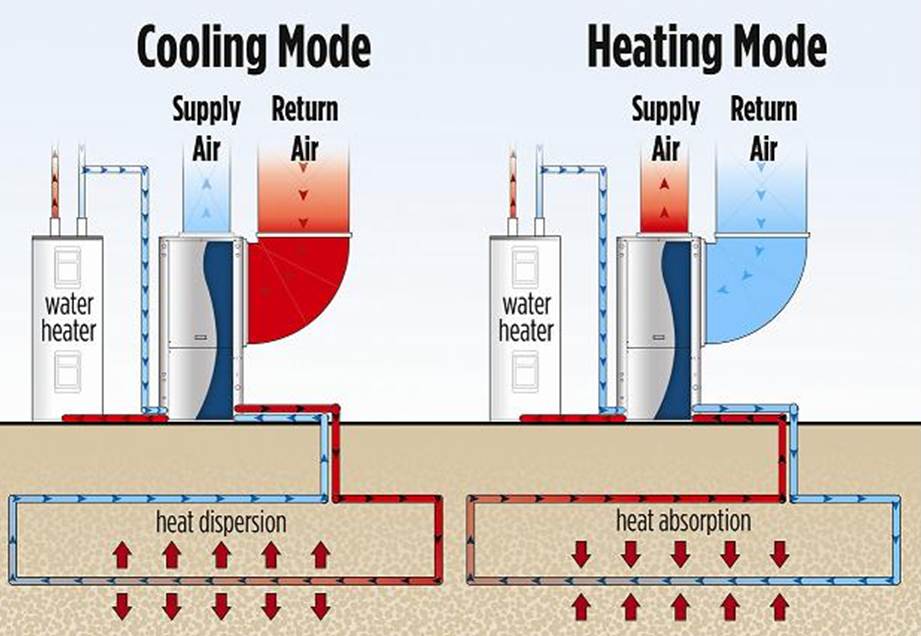
Source: Plumbing Grace; U.S. Energy Information Administration 2023
Why Some Homeowners Prefer Geothermal
Energy Efficiency
Because the system uses the earth’s stable temperature rather than fluctuating outside air, geothermal systems often operate more efficiently than conventional heating and cooling systems.
Quiet Operation
Without an outdoor unit cycling on and off, geothermal systems tend to run more quietly.
Long Lifespan
One of the major advantages of geothermal systems is durability:
- Indoor heat pump units typically last 20–25 years
- Underground loop systems can last up to 50 years or more
No Combustion Gases
Geothermal systems operate using electricity and do not burn fuel inside the home, which means there are no combustion exhaust gases such as carbon monoxide produced during operation.
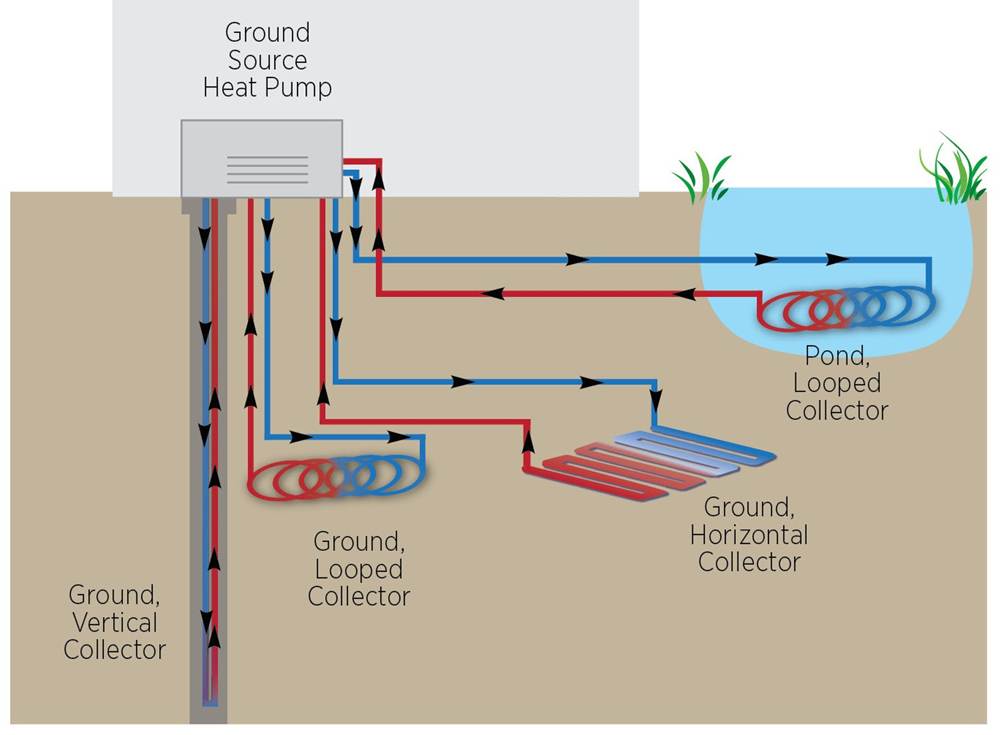
Source: U.S. Department of Energy
What a Home Inspector Looks at in a Geothermal System
When purchasing a home with geothermal, the inspection is especially important. While the underground loops cannot be directly examined without specialized equipment, the accessible components of the system can be evaluated.
During a home inspection, we typically review:
System Operation
- Heating and cooling performance
- Thermostat response
- Temperature differentials
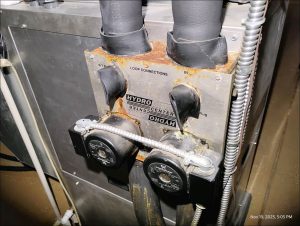
Corrosion of components during an inspection
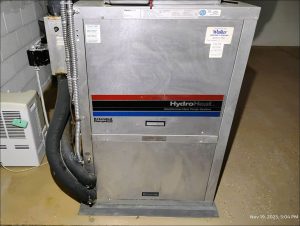
Mechanical Components
- Circulation pumps
- Compressor operation
- Electrical disconnects
- Visible refrigerant lines
- Expansion tanks and valves
Distribution System
- Ductwork condition and airflow
- Radiant heating components, if present
Visible Loop Connections
- Signs of leaks
- Corrosion
- Insulation condition
- Evidence of prior repairs
If concerns are observed, further evaluation by a qualified geothermal or HVAC specialist may be recommended.
Questions Buyers Should Ask About a Geothermal System
If you’re purchasing a home with geothermal, consider asking:
- How old is the interior heat pump unit?
- Is there documentation of installation and loop layout?
- Is there maintenance history available?
- Is any portion of the system still under warranty?
Understanding these details can help you plan for long-term ownership.
Buying a Home With Geothermal in Northern Ohio
Geothermal systems can be a strong feature in a home, offering efficient and reliable heating and cooling when properly maintained. At Erie Inspection Service, we help buyers understand how these systems function and identify visible concerns so you can move forward with clarity and confidence. If you’re buying a home in Cleveland, Toledo, or anywhere in Northern Ohio, we’re here to help.

Contact Us
Contact us for your home inspection today!
 800-434-6022