
Loose & Leaking Toilets: What Home Buyers Should Know During a Home Inspection
When you’re buying a home, every detail matters. A professional home inspection is designed to give you a clear understanding of the property’s overall condition — from the roof and foundation to the plumbing fixtures in each bathroom.
One of the most common home inspection findings?
A loose or leaking toilet.
Before you worry — this is typically a routine plumbing repair. Here’s what it means for you during the home buying process.
Why Do Toilets Become Loose?
Toilets are secured to the floor with bolts and sealed to the drain pipe using a wax ring. Over time, normal use can cause slight movement. Flooring updates, minor settling, or wear on the seal can also contribute to loosening.
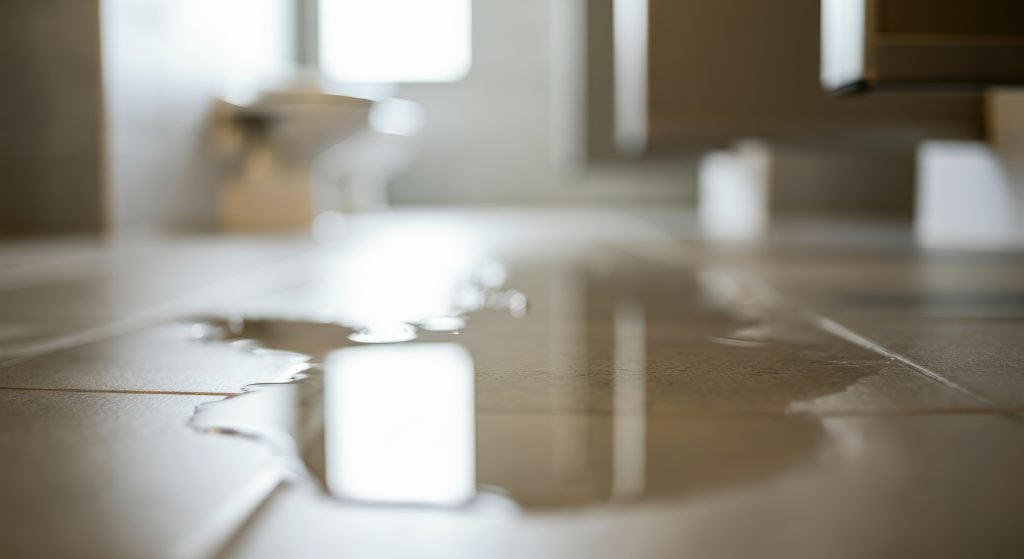
If a toilet shifts — even slightly — the seal underneath can allow small amounts of water to escape during flushing.
This doesn’t automatically mean serious water damage, but it is considered a bathroom plumbing issue that should be corrected to prevent future problems.
Why Your Home Inspector Checks for This
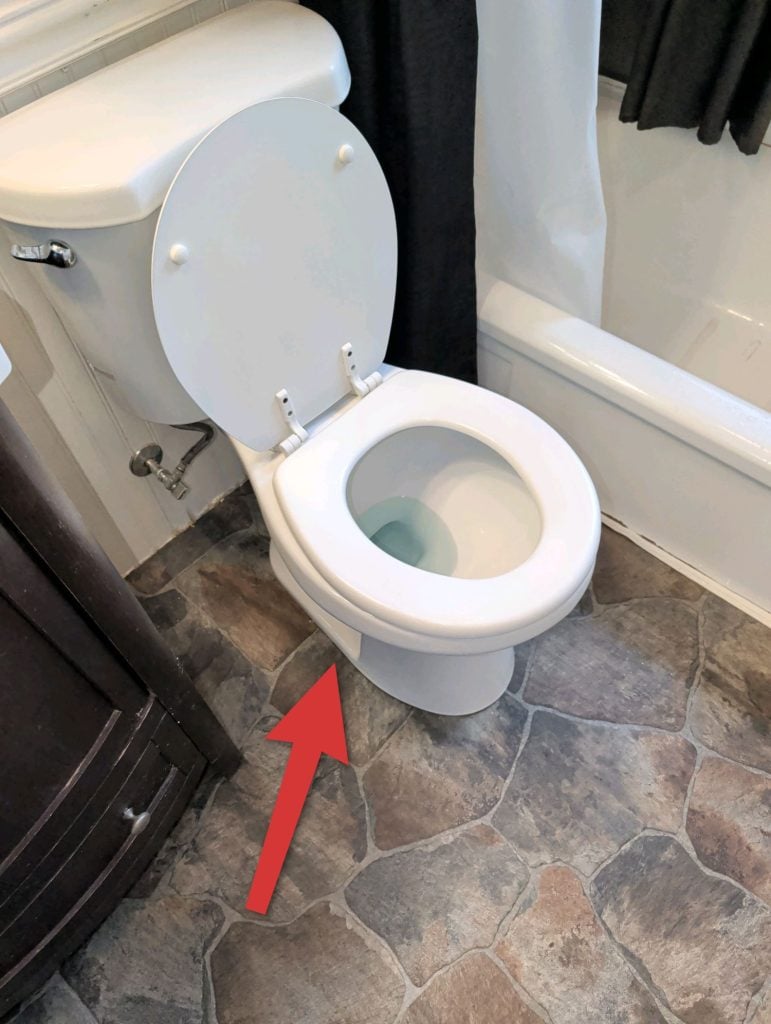
During a plumbing inspection, your home inspector will check toilets for:
- Movement or rocking
- Signs of moisture around the base
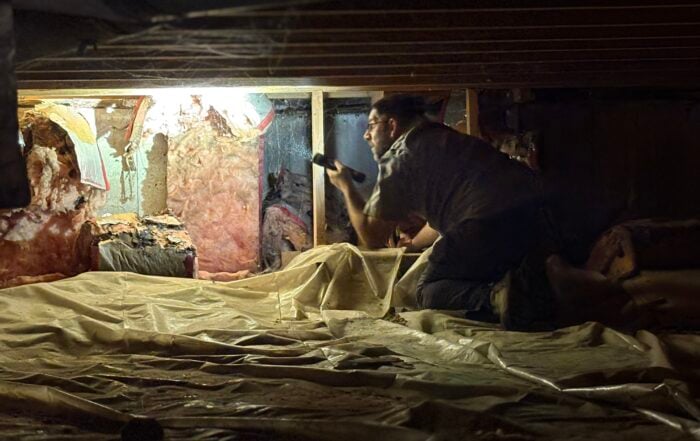
- Hidden moisture but using moisture meters and an infrared camera
- Soft or damaged flooring nearby
- Evidence of previous repairs
A stable toilet should feel solid and secure. Movement is one of the most common indicators that maintenance is needed.
Catching this during your home inspection is beneficial because long-term leaks can eventually lead to subfloor damage if left unaddressed.
Is This a Major Problem?
In most cases — no.
A loose toilet is typically categorized in the inspection report as a minor repair or maintenance item, especially when there is no visible flooring damage.
The repair usually involves:
- Removing the toilet
- Replacing the wax ring
- Inspecting the flange
- Re-securing the toilet properly
- If addressed promptly, this is often an affordable plumbing fix.
The purpose of a home inspection is not to alarm buyers — it’s to provide transparency so you can move forward confidently.
Why Identifying Small Plumbing Issues Matters
Many common home inspection findings are related to maintenance. Addressing small bathroom plumbing issues early helps prevent:
- Ongoing leaks
- Hidden water damage
- Costlier repairs later
The inspection process is about understanding the condition of the home so there are no surprises after closing.
We see loose toilets in homes of all ages — new construction, older homes, and everything in between. It’s common, manageable, and usually straightforward to correct.
The Bottom Line for Home Buyers
If your inspection report notes a loose or leaking toilet, it’s typically a minor plumbing repair — not a structural defect.
The value of a professional home inspection is clarity. You deserve to understand the home’s condition before finalizing your purchase.
At Erie Inspection Service, our goal is to provide thorough, balanced information that helps you make confident decisions during the home buying process.
If you’re purchasing a home, schedule your professional home inspection with Erie Inspection Service today.
Pre-Listing Tip for Sellers
Preparing your home before it goes on the market? Small plumbing maintenance items can make a big difference.
Before listing:
- Check that each toilet feels solid and secure
- Look for discoloration around the base
- Ensure flooring around toilets is firm
Addressing minor plumbing repairs before a buyer’s home inspection can help create a smoother transaction and reduce repair negotiations.

Contact Us
Contact us for your home inspection today!
 800-434-6022