
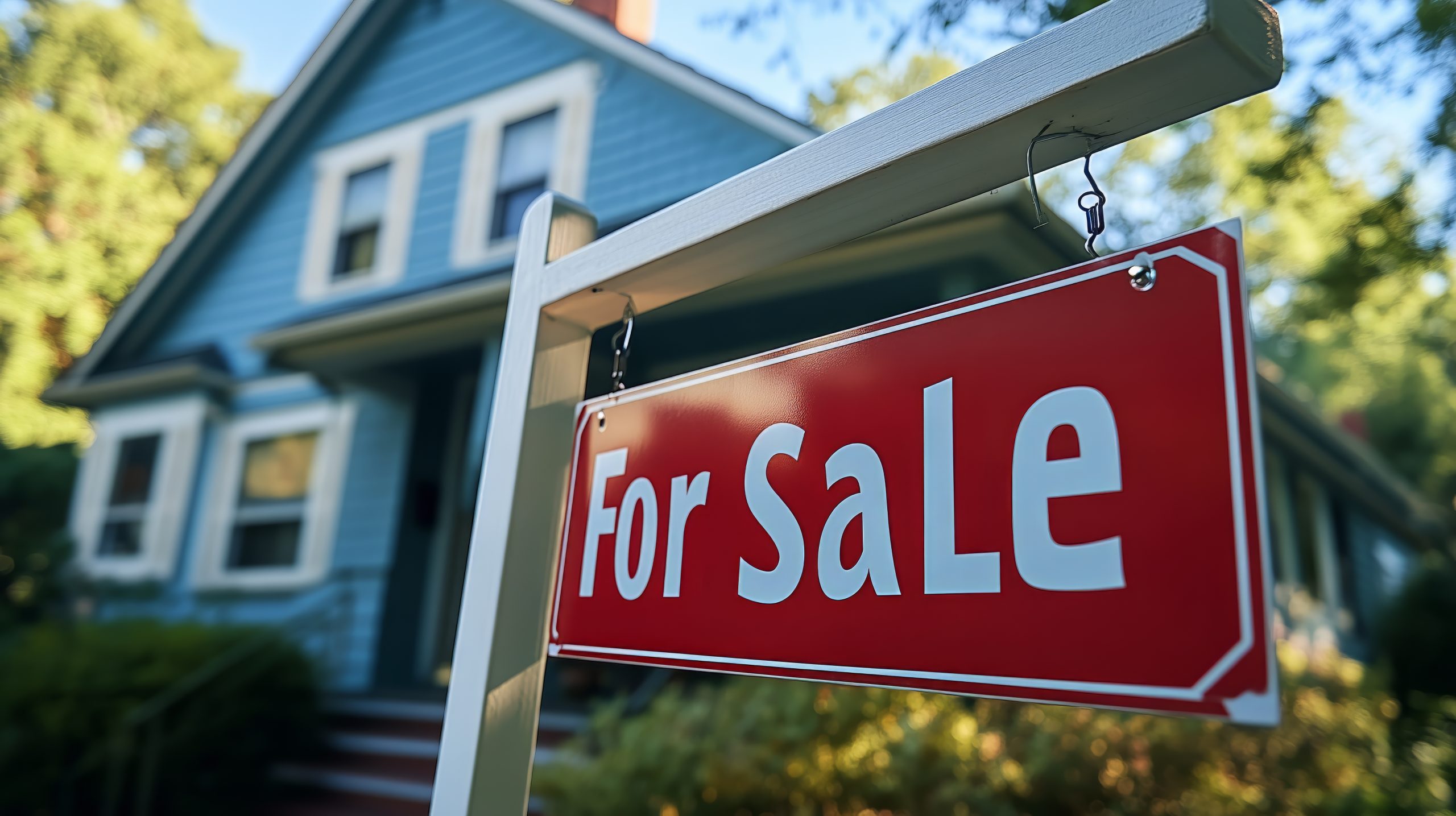
A home inspection doesn’t have to feel like a pop quiz you forgot to study for. With a little preparation, you can help the process move smoothly, avoid unnecessary red flags, and present your home in its best light.
An inspection is not about perfection — it’s about condition. Every home has wear and tear. Home inspectors are trained to look past cosmetic defects and cleanliness The goal is to ensure systems are accessible, functional, and safe to evaluate. Here’s how to get there.
1. Clear Access to Major Systems
This is the most common delay we see — and the easiest to avoid.
Make sure the inspector can access:
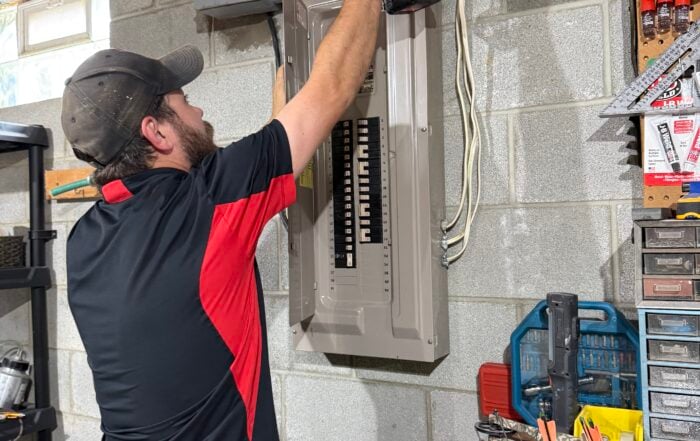
- The electrical panel
- Furnace and water heater
- Attic entry
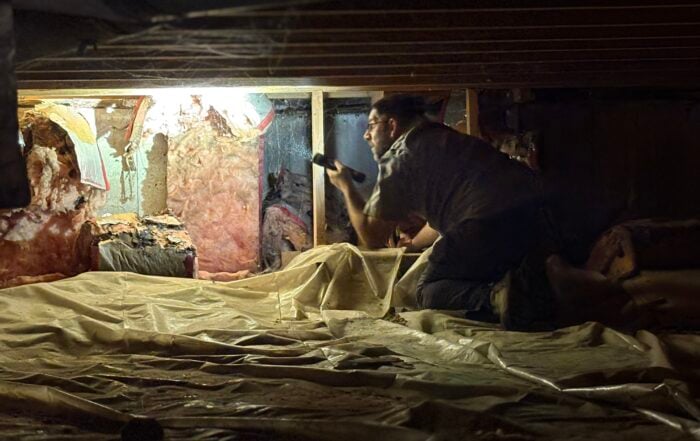
- Crawlspace entry
- Sump pump
- Garage walls and foundation
- Exterior perimeter of the home
If stored items block access, they may limit what can be inspected. A good rule of thumb: leave at least 3 feet of clearance around mechanical systems and panels. Think of it as giving the house room to breathe.
2. Replace Burned-Out Light Bulbs
It may seem minor, but it matters.
When a light doesn’t work, the inspector has to determine whether it’s a simple bulb issue or a wiring concern. Swapping out burned bulbs ahead of time eliminates unnecessary notes in the report and keeps things clear and accurate.
3. Address Minor Repairs
Loose handrails, dripping faucets, running toilets, missing outlet covers — these small items add up. While they may not be deal-breakers, a collection of minor issues can create the impression that maintenance has been deferred.
You don’t need to renovate the house. Just tighten up the obvious.
4. Test Basic Systems
Before inspection day:
- Run the dishwasher
- Test garage door openers
- Check that HVAC responds properly
- Ensure all windows open and close
- Confirm smoke and carbon monoxide alarms are installed and functional
You don’t want the first time something fails to be during the inspection.
5. Take Care of Exterior Maintenance
If weather permits:
- Clean gutters if they’re visibly clogged
- Trim vegetation away from siding and foundation
- Remove debris from the roof surface
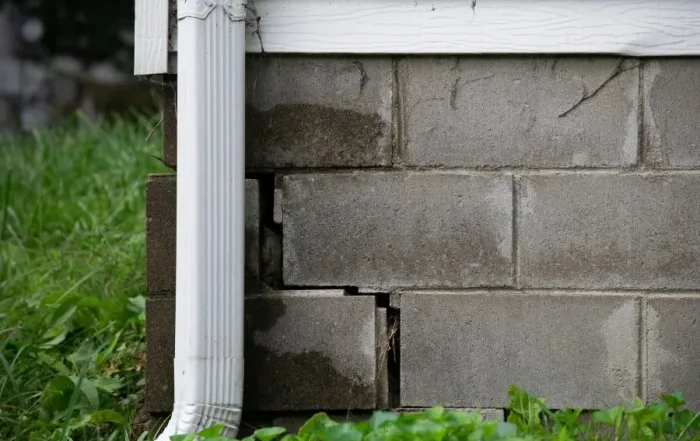
- Ensure downspouts discharge away from the foundation
Water management is one of the biggest factors in home performance. Showing that the home is properly maintained goes a long way.
6. Secure Pets
Inspections can take 2–4 hours depending on the size and condition of the home. Inspectors will move throughout the property, open doors, access attics, and test systems under normal functions.
For everyone’s safety — including your four-legged security team — secure pets or make arrangements for them to be off-site.
7. Provide Documentation
If you’ve replaced the roof, furnace, windows, or other major components, leave documentation available. Receipts, warranties, and service records can help clarify age and maintenance history.
Inspectors report what they see. Good documentation adds helpful context and can truly ease a buyers mind.
8. Don’t Stress About Normal Wear
Every home — even new construction — will have findings. That’s normal. An inspection is a snapshot of condition at the time of evaluation, not a pass/fail exam.
Buyers expect some recommendations. What they’re really looking for are major defects, safety concerns, or significant deferred maintenance.
Preparation doesn’t mean hiding flaws — it means presenting the home honestly and ensuring the inspection can be completed thoroughly and efficiently.

The smoother the inspection, the smoother the transaction tends to go. A well-prepared home communicates care, responsibility, and transparency — all things buyers appreciate.
If you have questions before your inspection, ask. A quick conversation beforehand can save time, confusion, and sometimes money.
At the end of the day, an inspection isn’t there to derail a sale — it’s there to inform the potential buyer. And when everyone is informed, decisions get easier.
If you’re getting ready for an inspection and want to make sure you’re covering the right bases, we’re always happy to point you in the right direction.

Contact Us
Contact us for your home inspection today!
 800-434-6022