
One of the Most Common Home Inspection Finds: Smoke Detectors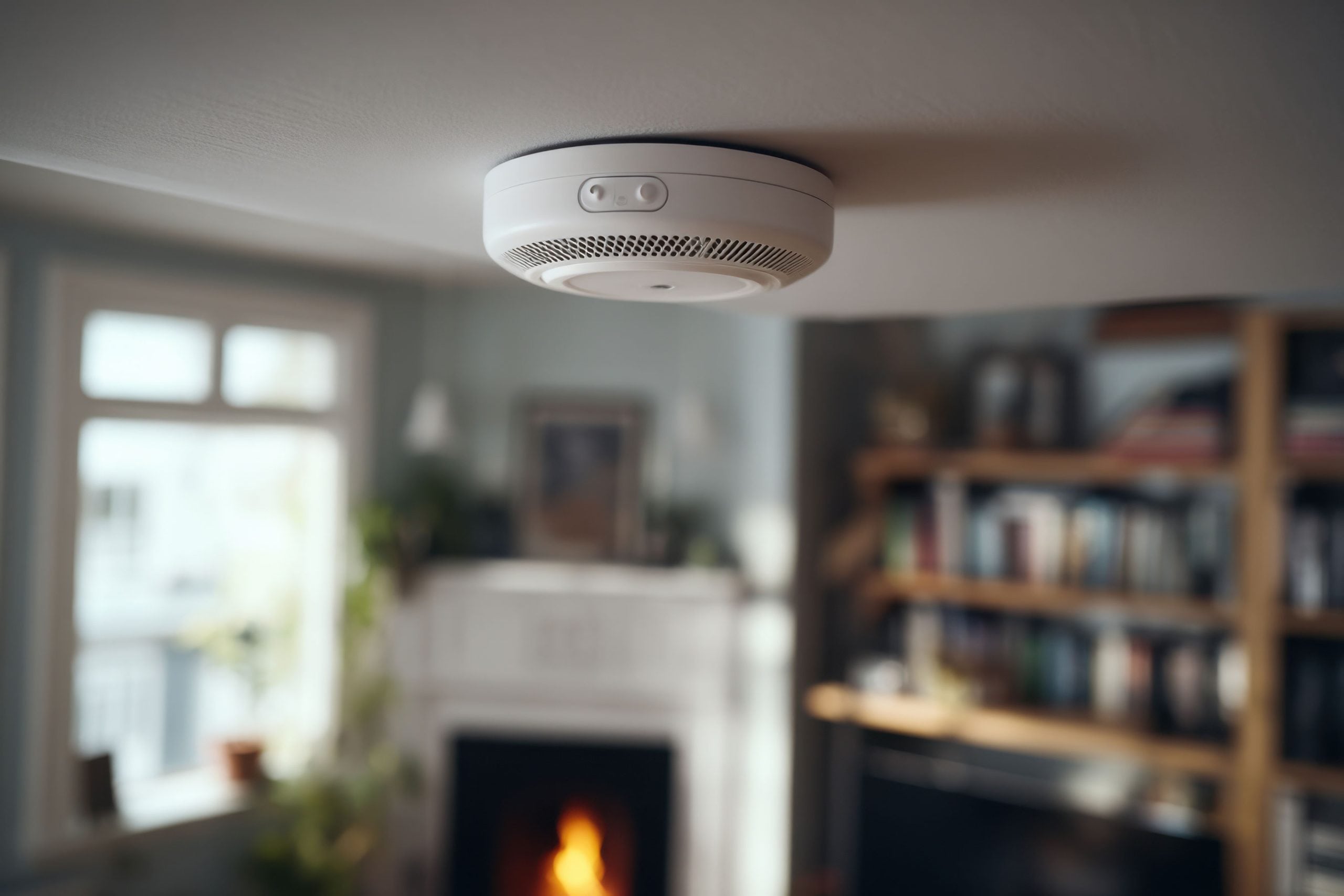
When it comes to home safety, smoke detectors are one of those items most homeowners recognize as important — yet they remain one of the most common issues we find during home inspections across Northern Ohio.
Smoke detectors have been standard in homes for decades, but missing, outdated, or improperly installed units continue to show up regularly. It’s rarely due to neglect. More often, detectors quietly age out, batteries get removed, or placement no longer aligns with current safety expectations.
Our goal isn’t to lecture or point fingers. It’s simply to help homebuyers step into a home that meets today’s basic safety standards and provides peace of mind from day one.
Why Smoke Detectors Deserve Attention
Even with general awareness, we frequently find:
- Smoke detectors that are 10–15+ years old
- Batteries missing or units disconnected
- Detectors installed in the wrong locations
- Hardwired systems that no longer function
- Visible discoloration or yellowing, which can indicate age and reduced reliability
It’s not about calling out mistakes — life gets busy, and smoke detectors don’t demand attention until something goes wrong. A few simple upgrades can make a big difference in keeping a home safe and even saving lives.
Common Smoke Detector Issues We Note During Inspections
As part of every general home inspection, we look at the presence, placement, and overall condition of smoke detectors. We commonly report on:
- Whether detectors are present on every required level
- Placement in or near sleeping areas
- Signs of age such as discoloration, brittleness, or outdated manufacturing dates
- Whether hardwired units appear disabled or missing battery backups
These findings are extremely common and often inexpensive to correct — but they provide critical protection once addressed.
Where Should Smoke Detectors Be Placed?
Proper placement helps smoke detectors work as intended. Current Ohio residential code now requires smoke detectors in:
- In or near sleeping areas
- Main hallways on each floor and hallways outside sleeping areas
- At least one detector on every level of the home
Additional general safety recommendations include:
- Mounting detectors on ceilings or high on wall
- Keeping detectors away from kitchens and bathrooms to reduce false alarms
- Proper placement ensures occupants are alerted as early as possible, especially while sleeping.
Smoke Detector Maintenance Tips
Simple habits can go a long way toward reliable protection:
- Test smoke detectors monthly
- Replace batteries yearly (unless using sealed 10-year models)
- Clean dust or debris from units
- Replace smoke detectors every 10 years
- Watch for discoloration or yellowing, which may indicate the unit is past its useful life
A few minutes of maintenance can add years of dependable protection.
Final Thoughts
Smoke detectors may be small, but they play a major role in home safety — and they don’t have to be complicated. While some homes have hardwired systems, smoke detectors do not need to be hardwired to be effective. Properly installed, battery-operated detectors can provide sufficient protection when placed correctly and maintained regularly.
Because smoke detector issues appear so frequently during inspections, it’s worth taking a few minutes to check placement, condition, and age — especially when moving into a new home. Updating or adding smoke detectors is one of the simplest and most affordable ways to improve household safety.


Contact Us
Contact us for your home inspection today!
 800-434-6022