
One of the Most Common Home Inspection Finds: Carbon Monoxide Detectors
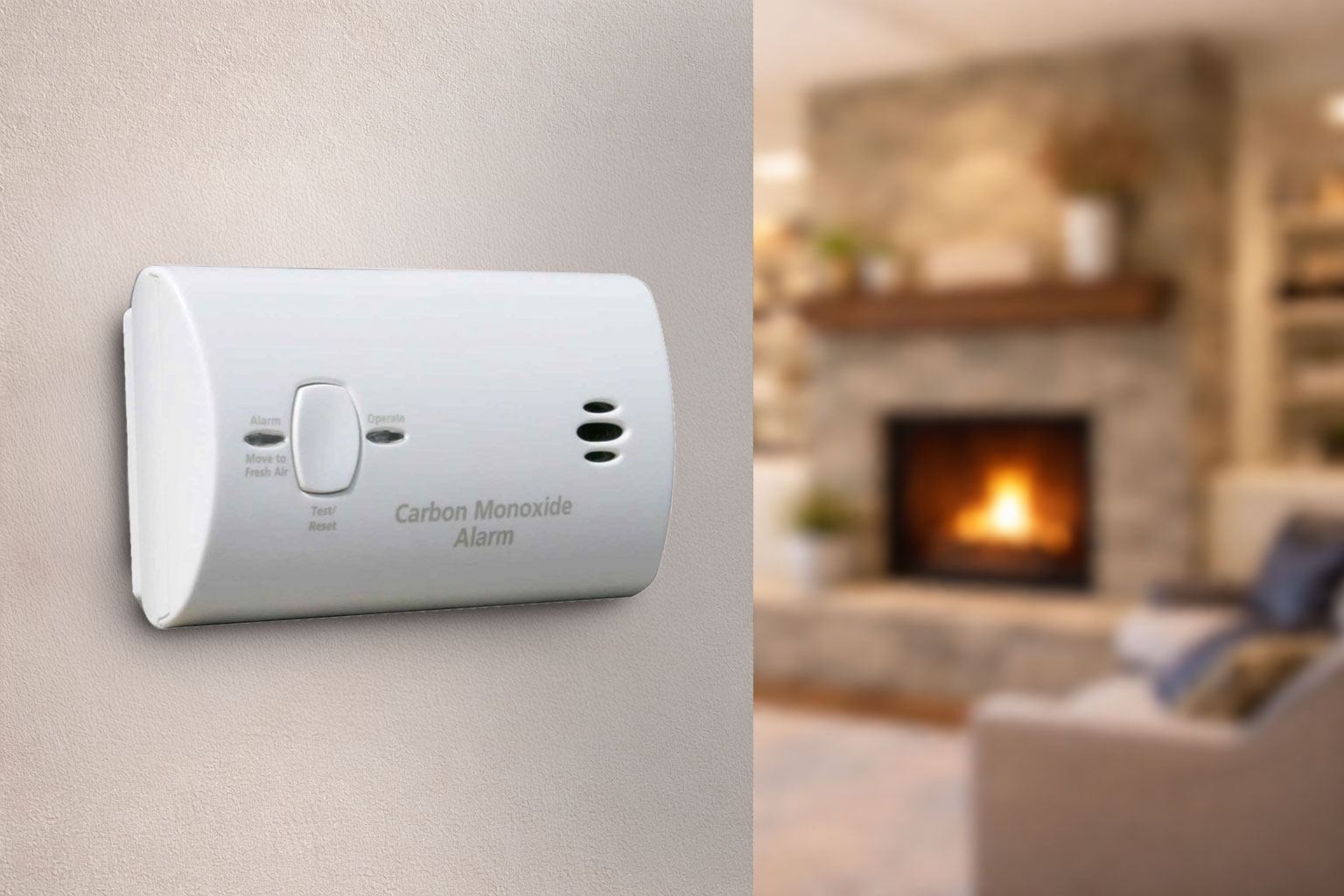
Carbon monoxide detectors are one of the most commonly noted items in home inspection reports — not because they’re complicated, but because carbon monoxide itself is easy to misunderstand and even easier to overlook.
Many people refer to carbon monoxide as “CO₂,” but they’re not the same thing. Carbon monoxide (CO) is an invisible, odorless gas produced anytime fuel is burned. And in most homes, fuel is being burned every day.
What Is Carbon Monoxide and Where Does It Come From?
Carbon monoxide is a byproduct of burning fuel. In homes, common sources include:
- Gas furnaces and boilers
- Gas water heaters
- Stoves and ovens
- Fireplaces
- Vehicle exhaust
In fact, more than 60% of Ohio homes use natural gas as their primary energy source, according to the U.S. Energy Information Administration. That means CO is being produced in a majority of homes every time heating or cooking appliances are running.
The good news is that 99% of the time, this gas is safely vented out of the home through exhaust flues, vent pipes, or chimneys. But venting problems can and do happen. Chimneys can become blocked, heat exchangers can fail, vent pipes can disconnect, and exhaust can backdraft into living spaces.
That’s where carbon monoxide detectors come in — not because something is expected to go wrong, but because they quietly monitor the home when systems don’t behave perfectly.
An Overlooked Risk: Attached and Tuck-Under Garages
Even homes without gas appliances can still be at risk.
Vehicles produce carbon monoxide, and in homes with attached or tuck-under garages, exhaust can migrate into the house through doors, framing cavities, or shared ductwork — sometimes even when cars are only running briefly.
This is one reason CO detectors are recommended even in homes that rely primarily on electric appliances.
Why CO Detectors Are Common Inspection Findings
During inspections, we frequently find:
- No carbon monoxide detectors installed at all
- Detectors placed too far from sleeping areas
- Units that are past their useful lifespan
- Missing batteries or disconnected hardwired units
This usually isn’t due to neglect. Carbon monoxide detectors are easy to forget because they don’t draw attention — until you need them.
Code Changes Over Time Matter
It’s also important to understand that building and safety codes change.
An older home may have been set up correctly at the time it was built. Over the years, however, standards have evolved as we’ve learned more about placement, coverage, and risk. Today, CO detectors are recommended — and in some cases required — in additional locations compared to older guidelines.
So when we note missing or outdated detectors during an inspection, it doesn’t mean the home was built incorrectly. It simply means expectations have changed.
Where Should Carbon Monoxide Detectors Be Placed?
General safety recommendations include:
- Outside of sleeping areas
- On every level of the home
- Near, but not directly next to, fuel-burning appliances
- Installed according to the manufacturer’s height and placement instructions
Many homeowners choose combination smoke and CO detectors for convenience, but placement should still follow these basic principles.
Do You Need a CO Detector If You Don’t Have Gas?
In many cases, yes.
Homes with attached garages, fireplaces, or even nearby vehicle exhaust can still experience carbon monoxide buildup. Because CO is invisible and odorless, detectors provide an added layer of protection regardless of fuel type.
Final Thoughts
Carbon monoxide isn’t something most homeowners think about — and that’s normal. It’s only a problem when you need protection. Taking a few minutes to ensure proper placement and working detectors is one of those quiet safety upgrades that lets you move on with your day, knowing it’s handled.
Carbon monoxide detectors are inexpensive, easy to install, and often overlooked — which is exactly why they show up so frequently in inspection reports.

Contact Us
Contact us for your home inspection today!
 800-434-6022