
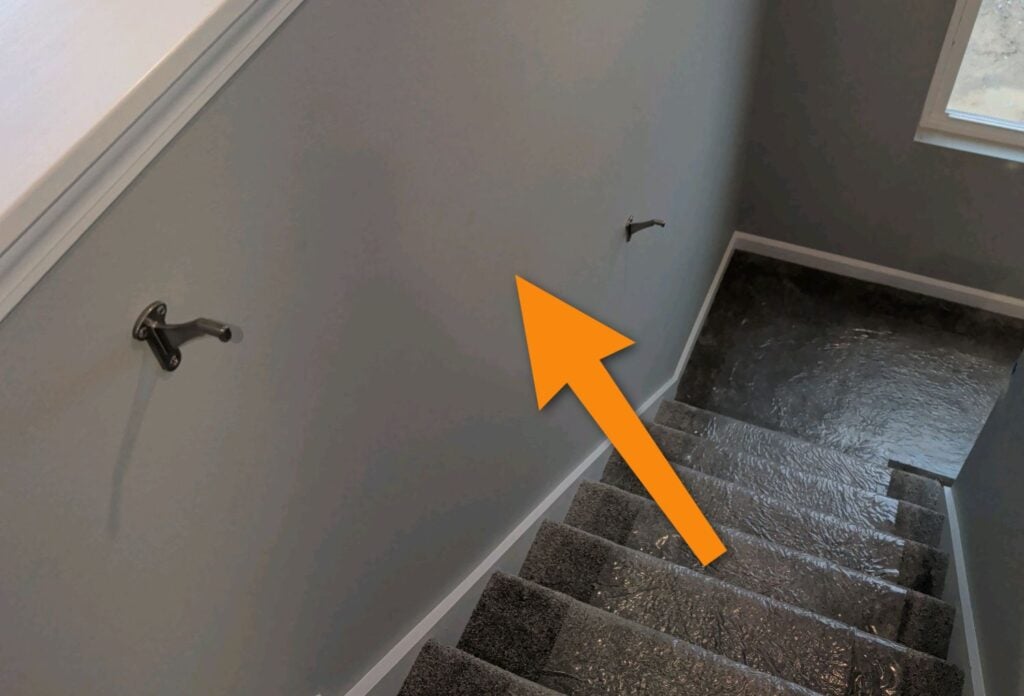
Top 10 Inspection Find: Missing or Unsafe Handrails
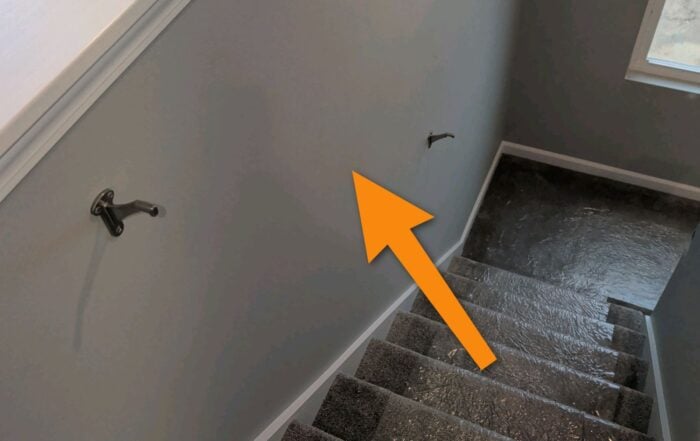
Missing or unsafe handrails are one of those inspection findings that may seem small at first, but they matter. In our experience inspecting homes across Northern Ohio, we see handrail issues everywhere: basement stairs, exterior steps, porch steps, deck stairs, garage entry steps, and interior stairways. Sometimes the handrail is completely missing. Other times it is installed, but it is loose enough that it may not provide proper support when someone actually needs it. The good news is this is a common and usually fixable issue. It is not something buyers need to panic over. But it is something that should be repaired for safety.
Why Handrails Matter During a Home Inspection
A handrail is there for one main reason: safety. People often think about handrails only when walking up or down stairs normally. But the real purpose becomes important when someone loses balance, slips, is carrying something, or has limited mobility.
That includes:
- Children
- Older adults
- Guests
- Homeowners carrying laundry, groceries, or tools
- Anyone using stairs in wet, icy, or low-light conditions
A loose or missing handrail may not seem like a major defect until the moment someone reaches for it and it does not support them. That is why we commonly recommend repairs by a qualified contractor for safety.
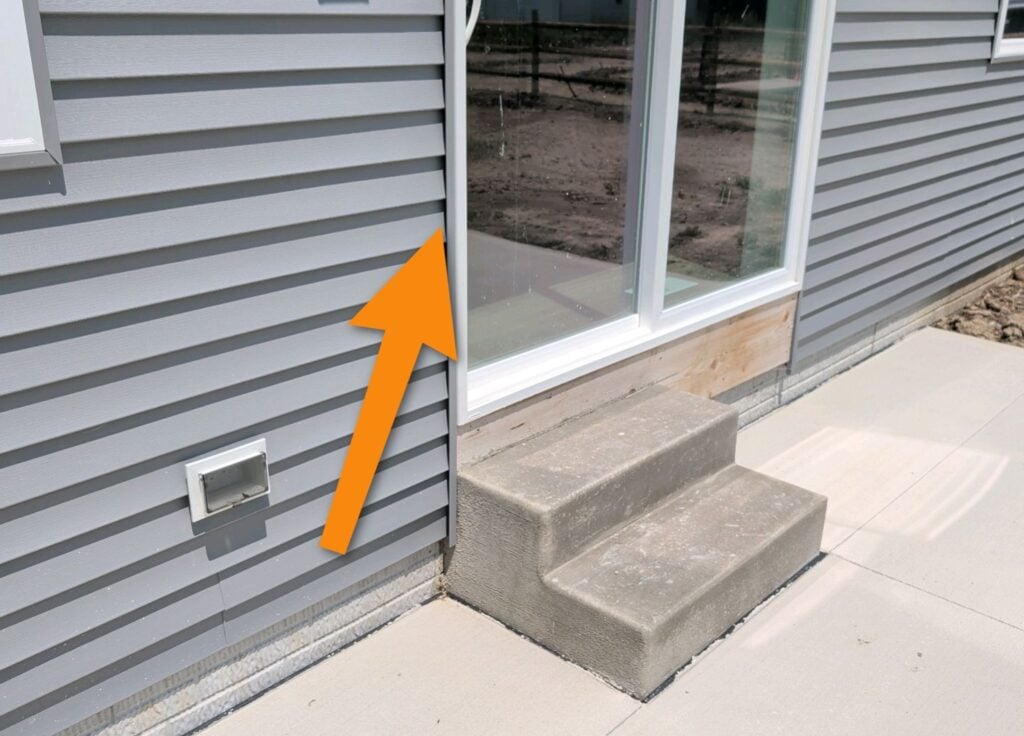
Where We Commonly Find Missing or Unsafe Handrails
This is not limited to one area of the house. We see missing or loose handrails in many places, including:
- Basement stairs
- Interior stairways
- Exterior steps
- Porch steps
- Deck stairs
- Garage entry steps
- Stairs leading to utility or storage areas
In Northern Ohio homes, exterior handrails can also loosen over time from weather, moisture, freeze-thaw cycles, rust, wood movement, and general wear. Older homes may have stairs that were built before current expectations, or handrails that were added later but not secured well.
The Most Common Problem: Loose Handrails
While missing handrails are easy to identify, loose handrails are one of the most common issues we find. A handrail may look fine from a distance, but when tested, it may move, shift, pull away from the wall, or feel unstable. Common causes include:
- Loose brackets
- Screws pulling out of drywall or weak backing
- Rotted wood at exterior steps or decks
- Poor installation
- Rusted or deteriorated metal connections
- Movement in the stair, porch, or deck structure
A handrail does not need to be falling off the wall to be unsafe. If it moves under normal pressure, it may not provide reliable support.
General Handrail Requirements Buyers Should Know
Handrail requirements can vary depending on the age of the home, local standards, stair layout, and loan type. A home inspection is not the same as a full code inspection, but there are a few general numbers that are helpful to know. In many residential standards, handrails are commonly required when a stairway has four or more risers. Handrails are generally installed between 34 and 38 inches above the stair tread nosing.
Stair width can also matter. Residential stairs are commonly expected to be at least 36 inches wide. If handrails are installed on both sides, there should still be enough clear walking space between them.
For buyers using FHA, VA, or other specialized loan programs, handrails may become especially important. In some cases, missing handrails may be flagged around three or more steps, depending on the appraiser, lender, and loan requirements. The main takeaway is simple: a handrail should be present where needed, securely attached, easy to grasp, and safe for normal use.
Is This a Major Problem?
Usually, no. Missing or unsafe handrails are common and fixable. For most buyers, this is not a reason to panic. It is more often a practical safety repair that should be addressed before or soon after moving in. The main concern is not that the home is “bad.” The concern is that stairs are one of the most common places where people get injured in a home, and handrails are a basic safety feature.
FHA, VA, and Other Specialized Loan Considerations
Handrails can also be especially important for buyers using certain specialized loan programs, such as FHA or VA loans. Depending on the loan type, property requirements, and the appraiser’s observations, missing handrails may need to be corrected before the loan can move forward. While many residential standards reference handrails at four or more risers, some specialized loan situations may flag missing handrails around three or more steps.
A home inspection is not the same as an FHA, VA, or code inspection, and final requirements are typically determined by the lender, appraiser, local authority, or applicable loan guidelines. However, from an inspection standpoint, missing or unsafe handrails are still important to document because they can affect safety and may also become important during certain loan processes. For buyers using FHA, VA, or similar loan programs, handrails are one of those items worth paying close attention to during the inspection.
How Buyers Should Think About This Finding
When a handrail issue appears in an inspection report, buyers should look at it in a practical way. Ask:
- Is the handrail missing completely?
- Is it loose or poorly secured?
- Is it located at a stairway people will use often?
- Is the issue indoors or exposed to weather?
- Are there multiple stairways with the same issue?
- Is there related damage, such as rotted wood, loose deck framing, or deteriorated steps?
- Is the buyer using a loan program that may have specific property requirements?
One loose handrail may be a simple repair. Several missing or unsafe railings around porches, decks, basement stairs, and exterior steps may be more involved.
The most important thing is that the repair should not be treated as a quick cosmetic fix. A handrail needs to be securely attached and able to support normal use.
Why We Recommend a Qualified Contractor
Some handrail repairs are simple, but they still need to be done correctly. A handrail that is screwed only into drywall, attached to weak wood, or mounted into deteriorated material may fail when someone needs it most. Exterior railings may also require proper fasteners, posts, brackets, and secure attachment to the structure. That is why our recommendation is typically: Repairs should be completed by a qualified contractor for safety. This keeps the focus where it belongs: making the stairs safer and making sure the repair actually holds up.
What This Finding Does Not Always Mean
A missing or loose handrail does not automatically mean the house has been poorly maintained. Sometimes it is simply wear and tear. Sometimes the railing was never installed. Sometimes a previous repair was done casually and did not hold up over time. However, buyers should still pay attention when there are multiple handrail issues throughout the home. Repeated safety items can sometimes point to a pattern of deferred maintenance or DIY repairs. That does not mean the house is a bad purchase. It just means the buyer should understand what needs to be corrected.
Bottom Line
Missing or unsafe handrails are one of the most common home inspection findings we see. They are usually fixable, and they are usually not a deal-breaker. But they do matter. A loose or missing handrail should be repaired because stairs, decks, porches, and exterior steps are areas where people can get hurt. For buyers using FHA, VA, or other specialized loan programs, handrails may also be an important item because some loan requirements may call for handrails on stairways with three or more steps. Our recommendation is simple: have missing or loose handrails repaired by a qualified contractor for safety.
If you’re buying a home, a professional home inspection can help you better understand the condition of the property, including common safety items like missing or loose handrails. Erie Inspection Service has been helping buyers across Northern Ohio make informed decisions since 1989.
Schedule your inspection online or call us at 800.434.6022.

About the Author
Christie Napp : Marketing Manager
Christie manages marketing efforts for Erie Inspection, leading content creation, design, and social media while supporting inspection scheduling and coordination. She brings a strong background in creative services and holds a BFA in Visual Communications from Ohio University.

Contact Us
Contact us for your home inspection today!
 800-434-6022