
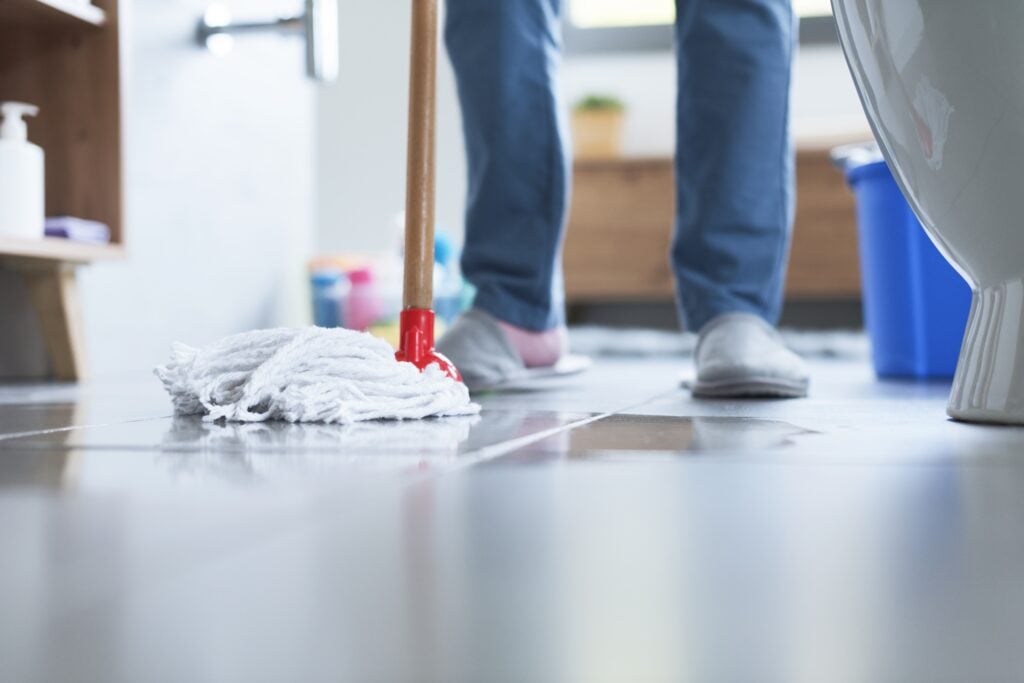
Plumbing leaks are one of the Top 10 issues we find during home inspections. The good news is that many plumbing leaks are relatively minor and can often be repaired without major expense when caught early.
During inspections, we commonly find leaks under kitchen sinks, bathroom sinks, around toilets, tubs, and shower areas. Sometimes the issue is as simple as a loose connection, aging plumbing component, worn seal, or deteriorated caulking.
The purpose of a home inspection is not to alarm buyers. It’s to identify concerns, explain their significance, and help buyers understand what repairs or maintenance may be needed before moving forward with a purchase.
Where We Commonly Find Plumbing Leaks
Plumbing leaks can occur in both older and newer homes. Some of the most common locations include:
- Kitchen sinks
- Bathroom sinks
- Toilets
- Tub and shower drains
- Water supply lines
- Shut-off valves
- Shower enclosures
- Laundry areas
- Water heater connections
Many of these areas are hidden from everyday view, which is why leaks can go unnoticed for extended periods of time. In some cases, homeowners may not realize a leak exists until a home inspection uncovers it.
Why Plumbing Leaks Matter
While many plumbing leaks are relatively easy to repair, they should still be addressed in a timely manner. Water has a way of finding places it shouldn’t be. Even a slow drip can affect nearby materials over time if left unresolved. Depending on the location and duration of the leak, we may observe:
- Water staining
- Damaged cabinetry
- Soft or deteriorated flooring
- Damaged drywall
- Elevated moisture levels
- Signs of previous repairs
The important thing to remember is that identifying these issues during the inspection gives buyers an opportunity to address them before they become larger problems. Most plumbing leaks we find have not yet caused significant damage, but they are worth correcting.
What Causes Plumbing Leaks?
In our experience, it’s sometimes a combination of normal wear and tear, aging materials, deferred maintenance, and unprofessional workmanship or installation. Common causes include:
- Loose plumbing connections
- Aging drain assemblies
- Worn shut-off valves
- Failing seals or gaskets
- Sink drain leaks
- Toilet wax ring failures
- Older plumbing fixtures
- Deteriorated caulking around tubs and showers
- Minor installation defects
Sometimes the repair is as simple as tightening a connection or replacing a worn component. Other times, further evaluation may be needed to determine whether moisture has affected surrounding materials.
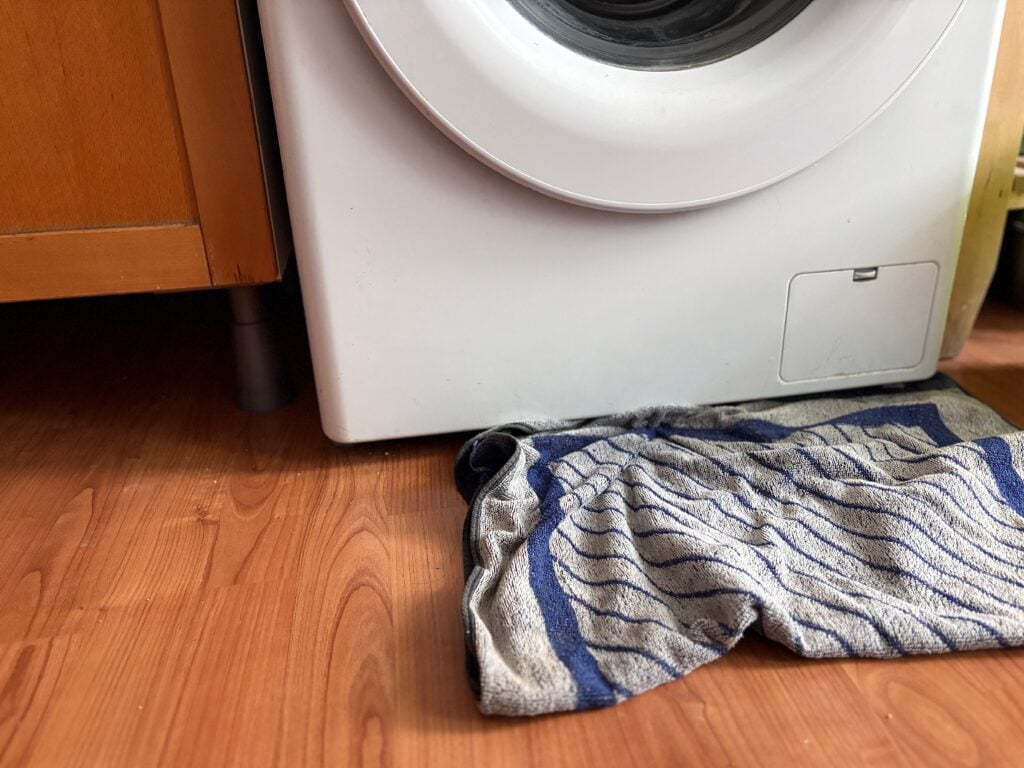
How We Identify Moisture Concerns
We also use moisture meters and infrared (IR) cameras during every inspection. These tools help us identify areas that may have elevated moisture levels and determine whether additional evaluation may be appropriate. While these tools do not diagnose mold or see through walls, they provide valuable information that helps us evaluate potential moisture concerns more thoroughly.
At Erie Inspection Service, plumbing concerns are documented in the inspection report and categorized as either:
Defective: A condition that requires repair or correction.
Marginal : A component that is functioning but showing signs of wear, aging, or conditions that may require maintenance in the future.
What Should Buyers Do If a Leak Is Found?
Finding a plumbing leak during an inspection is typically not a reason to panic. Instead, buyers should use the information to better understand the home’s condition and determine what steps make sense moving forward. Depending on the situation, buyers may choose to:
- Request repairs from the seller
- Obtain an estimate from a licensed plumber
- Request further evaluation by a contractor
- Negotiate repair costs during the inspection contingency period
- Monitor marginal conditions after purchase
Every situation is different, but in many cases, plumbing leaks become a repair item rather than a deal-breaking issue.
Can Plumbing Leaks Lead to Mold?
They can, but not every plumbing leak results in mold growth. Mold requires moisture and the right conditions to develop over time. If a leak has been present for an extended period, additional evaluation may be recommended. However, many of the plumbing leaks identified during inspections are discovered before significant moisture-related issues develop. The key is addressing the source of the leak promptly.
Should a Plumbing Leak Stop You From Buying a Home?
Most homes have some level of deferred maintenance, and plumbing repairs are among the more common items identified during inspections. What matters most is understanding:
- The severity of the leak
- Whether the leak is active
- Whether any additional damage is present
- The estimated repair costs
- Whether further evaluation is recommended
A plumbing leak is often a manageable repair, especially when identified before closing. The inspection helps provide the information needed to make an informed decision.
Bottom Line
Plumbing leaks are one of the Top 10 findings during a home inspection, but they are often among the more manageable issues we encounter. Many leaks result from normal wear and tear and can be repaired relatively easily by a qualified plumber. The real value of the home inspection is identifying these concerns before they become more expensive problems. At Erie Inspection Service, we use moisture meters and infrared cameras during every inspection to help identify plumbing and moisture-related concerns, giving buyers a clearer understanding of the home’s condition before they move forward.

About the Author
Christie Napp : Marketing Manager
Christie manages marketing efforts for Erie Inspection, leading content creation, design, and social media while supporting inspection scheduling and coordination. She brings a strong background in creative services and holds a BFA in Visual Communications from Ohio University.

Contact Us
Contact us for your home inspection today!
 800-434-6022