
Grading Around Your Home: Why It Matters More Than You Think
When you’re buying a home, there’s a lot to take in — roof condition, electrical systems, plumbing, and more. But one thing that often gets overlooked (until it becomes a problem) is how the ground slopes around the house, known as grading.
During home inspections, we frequently find grading and drainage issues that can lead to moisture problems, foundation damage, and even pest activity. It’s one of those small details that can make a big difference in protecting your home long after you move in.
What Is “Grading”?
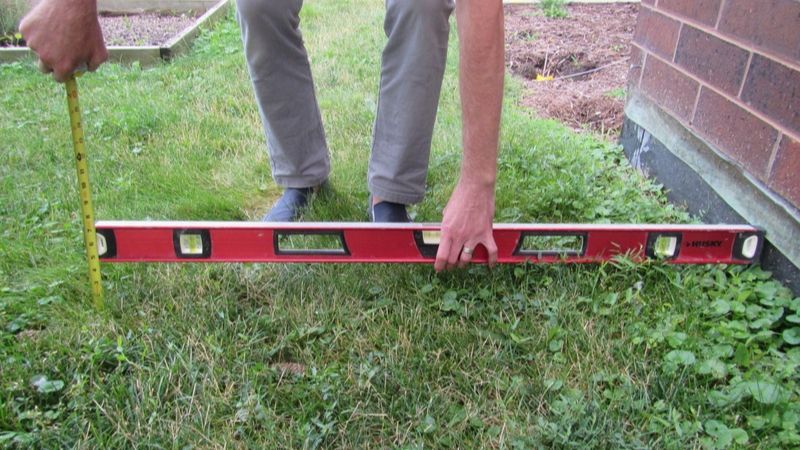
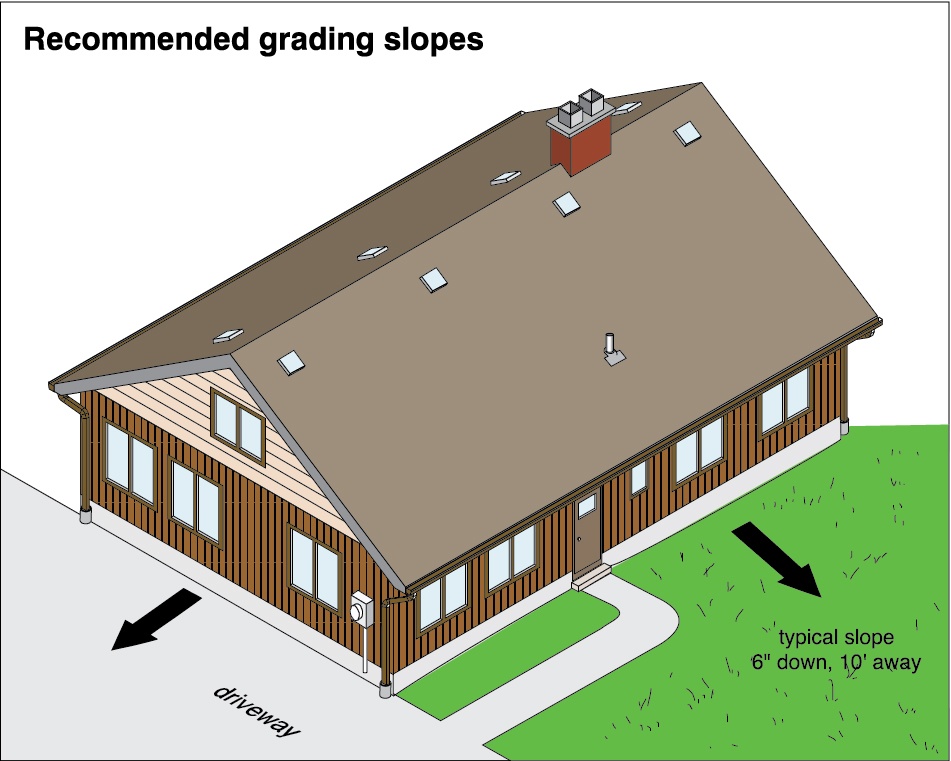
Grading refers to how the soil is sloped around the outside of your home. Ideally, the ground should slope away from the foundation, allowing rainwater and snowmelt to flow away rather than pooling near the house.
A good rule of thumb: the ground should drop about 6 inches within the first 10 feet from your foundation. This simple slope helps keep water moving in the right direction — away from your home.
Why Improper Grading Is a Common Find
At Erie Inspection Service, we see grading issues on many Ohio homes — both new and old. Over time, soil naturally settles, landscaping changes, or gutter downspouts become disconnected, all of which can cause water to drain toward the foundation instead of away from it.
When that happens, you might see:
- Standing water near the base of your home after it rains
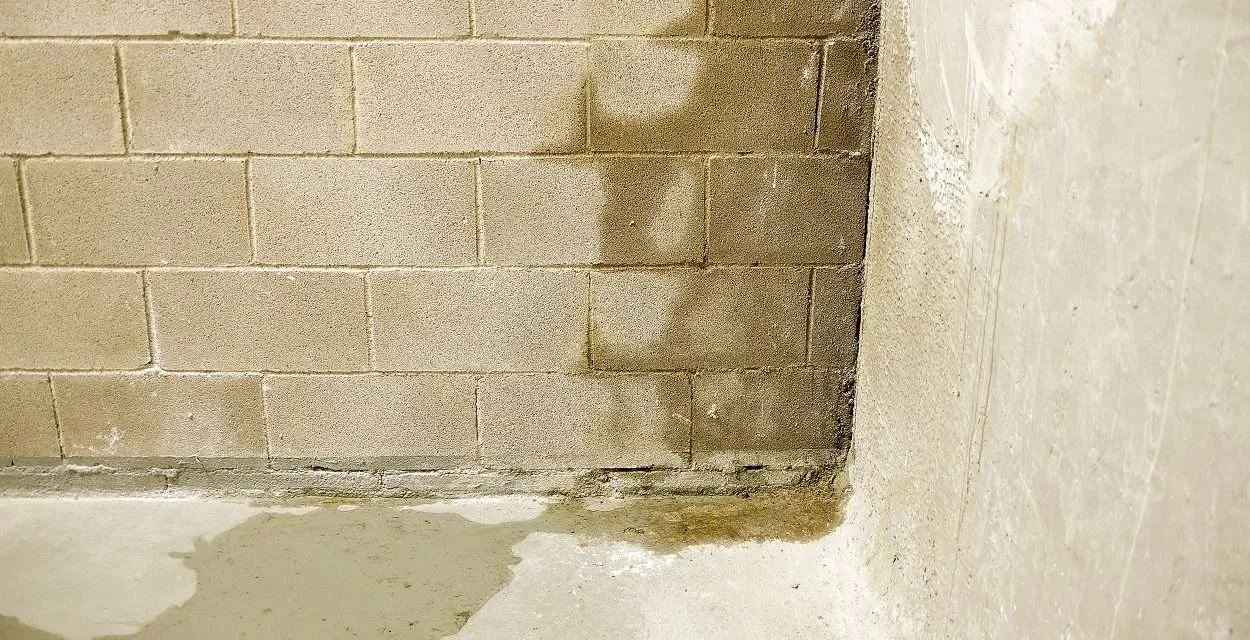
- Damp basement walls or musty odors
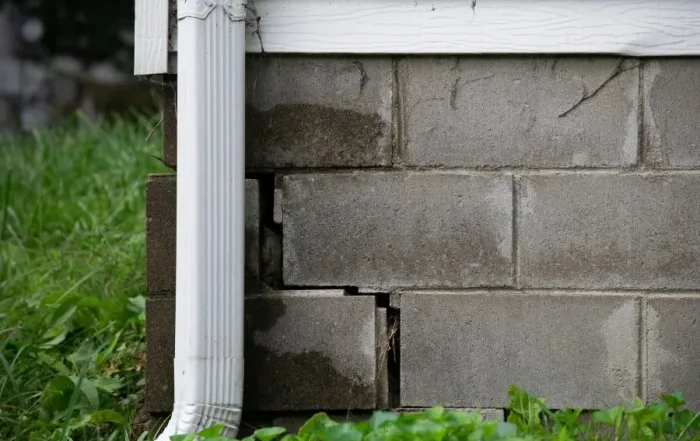
- Cracks in the foundation or garage floor
- Rotting siding or trim near ground level
- Increased pest activity, especially ants or termites drawn to moisture
Even if these signs seem minor, they often point to a drainage problem that can grow more serious — and costly — over time.
Why It Matters for Homebuyers
Grading might not sound as serious as a roof leak or plumbing issue, but it’s directly connected to the long-term health of your home. Poor drainage is one of the most common causes of foundation movement and basement moisture.
By catching this issue during your home inspection, you can take proactive steps before closing — or simply plan for a few easy fixes once you move in.
How to Improve Grading
Most grading problems are simple and inexpensive to correct:
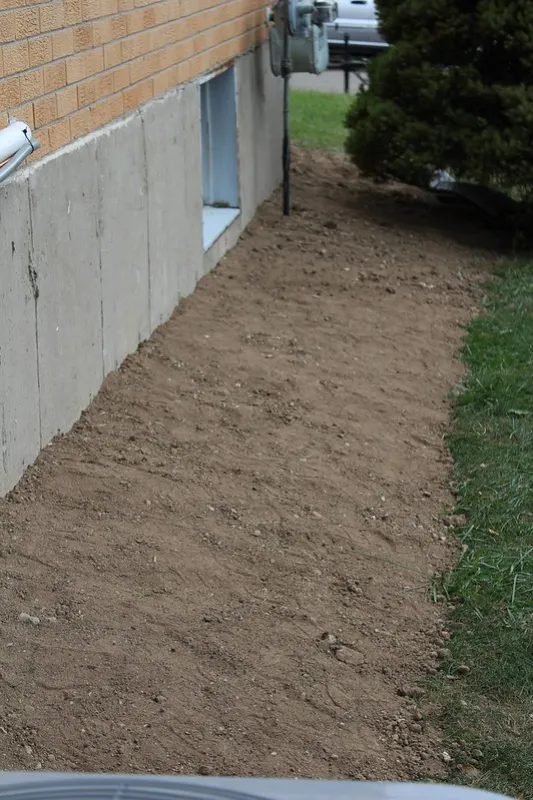
- Add soil to create a gentle slope away from the foundation.
- Extend gutter downspouts at least 6–10 feet away from the home.
- Keep gutters clean and properly pitched.
- Re-seed or mulch after soil adjustments to prevent erosion.
These small improvements can go a long way toward keeping your foundation dry and protecting your investment.
Our Takeaway for Homebuyers
When we perform a home inspection, we look closely at grading and drainage because they’re key to preventing long-term damage. If we note a concern, we’ll explain what it means, show you where water is collecting, and provide recommendations for improving it.
Addressing grading issues early is one of the easiest ways to avoid water intrusion, foundation cracks, and mold growth down the road — helping you start your new chapter in a safe, dry home.

Contact Us
Contact us for your home inspection today!
 800-434-6022