
Why Your Bathroom Exhaust Fan Should Vent Outside — Not Into the Attic
One of the most common issues we find during a home inspection is a bathroom exhaust fan that vents into the attic instead of outside. When many older homes were built, bathroom fans weren’t part of the original design. As they were added over time, builders didn’t always understand that sending humid air into a confined space could create serious problems.
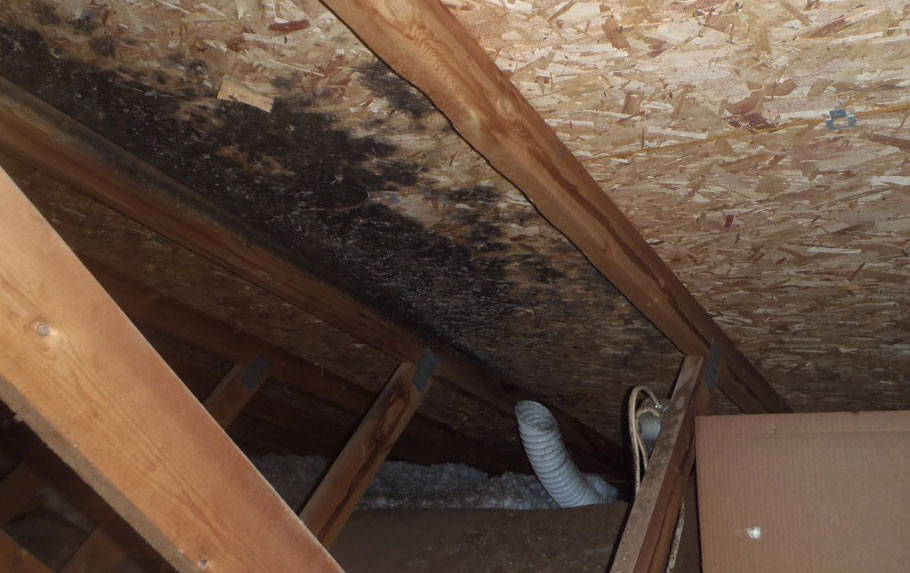
When warm bathroom moisture gets pushed into the attic — especially one with improper ventilation — it can quickly lead to mold growth, wood rot, and damage to the roof structure. Even though the fan is removing steam from the bathroom, it’s simply relocating that moisture to an area that needs to stay dry.
What Happens When a Fan Isn’t Properly Vented
Bathroom fans are designed to remove humid air created by showers and baths. If that humid air isn’t directed outdoors, it gets trapped inside the home — usually in the attic. Over time, that moisture can condense on framing, insulation, and roof sheathing, leading to:
- Mold or mildew growth
- Rotting wood or insulation damage
- Potential roof deterioration
In short, venting warm, moist air into the attic is like running a humidifier in a space that wasn’t designed to handle it.
What We Look For During an Inspection
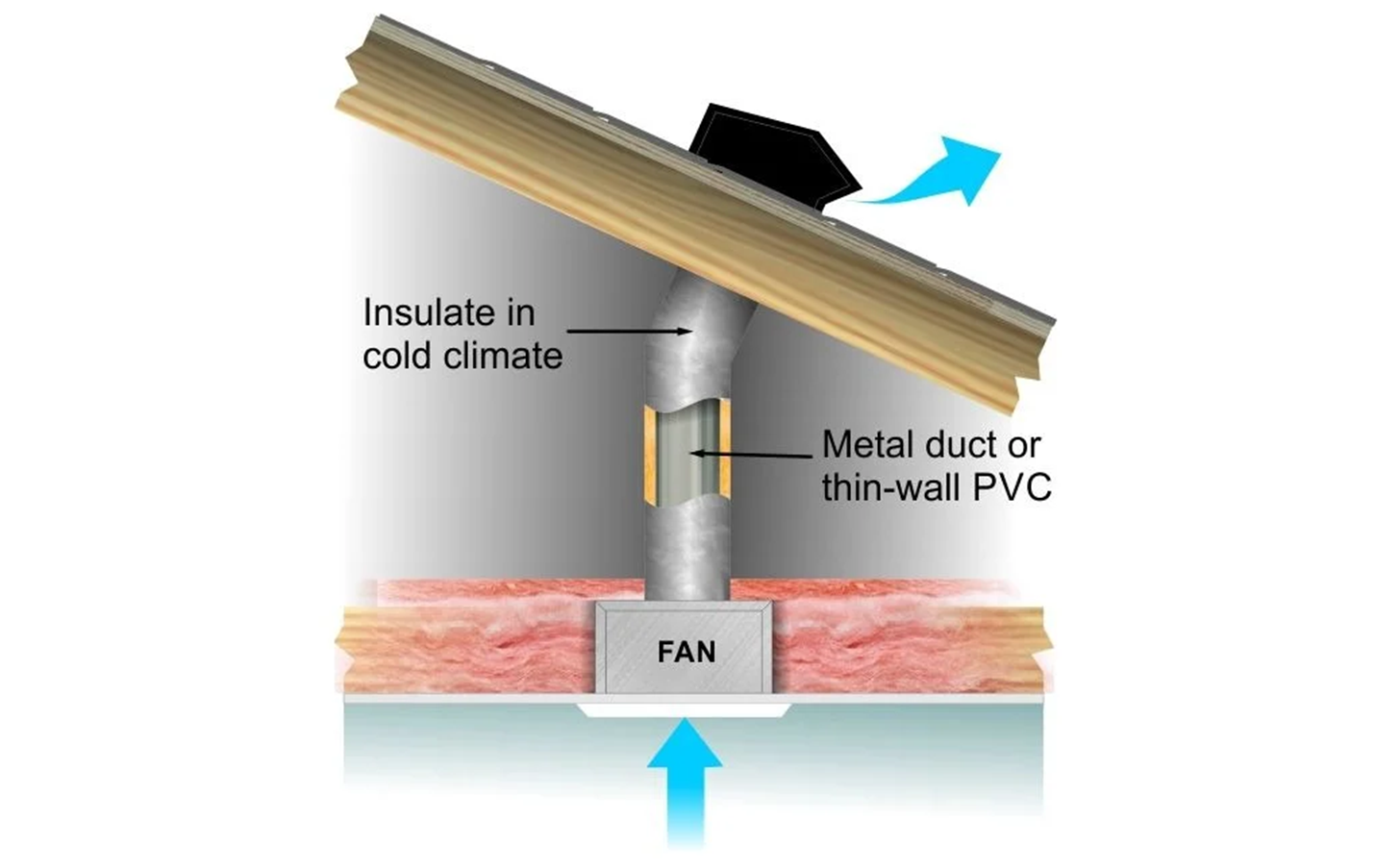
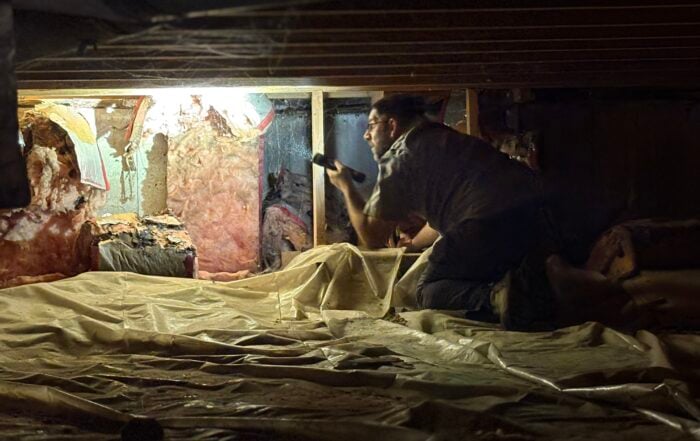
During a home inspection, our team checks to ensure each bathroom exhaust fan terminates outside the home — through the roof, soffit, or sidewall — and that the ductwork is properly sealed and insulated. We also look for signs of moisture buildup, staining, or mold in the attic that might indicate an existing problem.
Simple Fixes for Homeowners
If your bathroom fan currently vents into the attic, it’s worth correcting. A licensed contractor can:
- Extend the duct so it vents outside through the roof, gable, or properly through the soffit.
- Install a vent cap with a backdraft damper.
- Insulate and seal the duct to prevent condensation.
These small improvements can protect your home from expensive damage and help maintain a healthy home.
Our Takeaway
At Erie Inspection Service, we see this issue often, especially in older homes or DIY renovations. It’s a great reminder that even simple systems need proper installation and maintenance. If you’re buying a home, a thorough inspection can reveal these hidden details before they become costly repairs.

Contact Us
Contact us for your home inspection today!
 800-434-6022