
Is a Home Inspection Worth the Money?
In our opinion, absolutely.
There is risk whenever we purchase anything. A new phone, a vehicle, a boat, even a pair of shoes. There is always a chance the item you paid for won’t perform the way you expected or will have issues you didn’t know about.
Now compare that to buying a home.
For most people, a home is the largest purchase they will ever make by a wide margin. Many buyers are taking on a 15- or 30-year mortgage and committing hundreds of thousands of dollars to a property they may have only walked through for 15 to 30 minutes during a showing.
That is where a home inspection becomes valuable.
While a home inspection can never eliminate all risk, it can significantly reduce it by giving buyers a much clearer understanding of what they are purchasing.
A Home Inspection Is One of the Cheapest Parts of Buying a Home
One of the easiest ways to look at the value of a home inspection is to compare it to other large purchases.
- A used car inspection from an independent mechanic might cost around $300 for a $20,000 to $60,000 vehicle
- A boat survey can cost $1,000 or more for a $30,000 to $100,000 boat
- A home inspection typically costs around $500 to $600 depending on the size of the property
Now compare that to the cost of the home itself.
If you are purchasing a $300,000 home, spending roughly $600 for a professional evaluation of the roof, foundation, electrical, plumbing, HVAC, attic, and crawlspace is a bargain in our opinion.
Even one decent issue discovered during the inspection can easily exceed the cost of the inspection itself.
Most Buyers Don’t Have Enough Time During a Showing
One of the biggest misconceptions buyers have is thinking they can evaluate a house during a showing.
The reality is that most showings last somewhere between 15 and 30 minutes. During that time, buyers are usually focused on:
- The layout
- Kitchen finishes
- Paint colors
- Flooring
- Closet space
- Whether the furniture fits
Very few buyers are evaluating:
- Roof conditions
- Electrical safety concerns
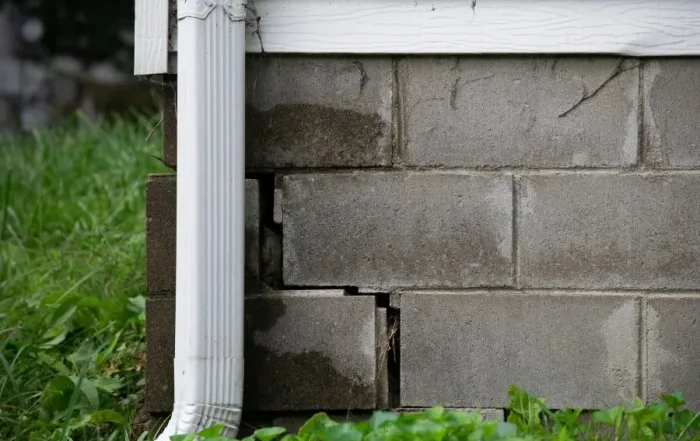
- Foundation movement
- HVAC operation
- Plumbing defects
- Attic ventilation
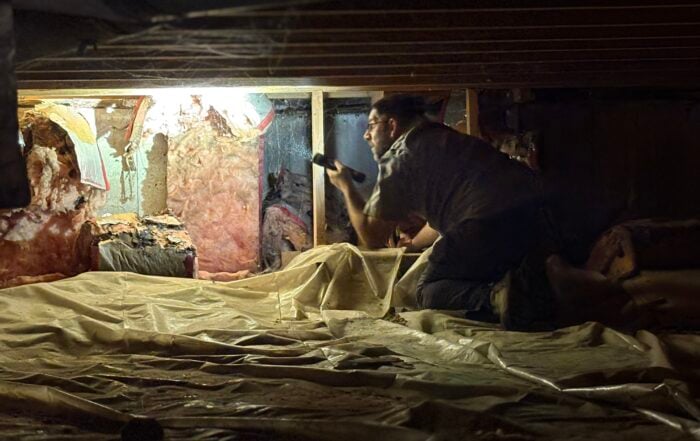
- Crawlspace moisture issues
Not to mention, many buyers never enter the attic or crawlspace during the showing.
A professional home inspection is the thorough evaluation buyers actually need so they understand what they are purchasing.
What a Home Inspection Actually Does
A good home inspection is not just about finding “bad things.” It is really a detailed overview of the major systems in the home and how they are performing at the time of the inspection.
Generally, inspection findings fall into three categories:
Safety Issues
These are items that could pose a risk to occupants. Examples include:
- Electrical hazards
- Missing smoke detectors
- Carbon monoxide concerns
- Unsafe stairways or railings
Functional or Defective Items
These are systems or components that are not working properly. Examples include:
- Roof leaks
- Plumbing leaks
- Foundation concerns
- HVAC issues
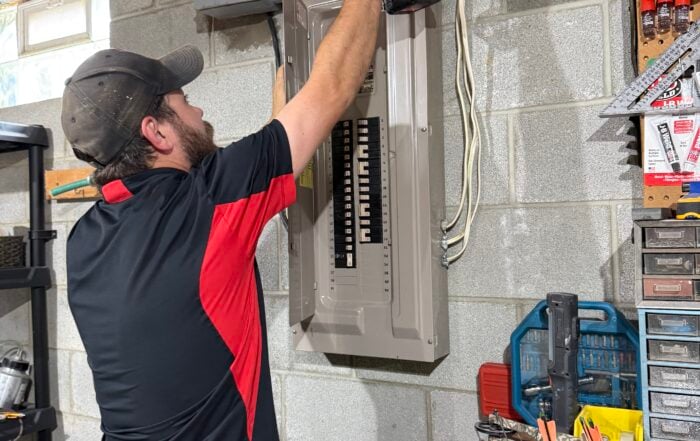
- Faulty electrical panels
Maintenance and “Coming Soon” Items
Every home has ongoing maintenance needs. A good inspection report helps buyers understand:
- What needs attention now
- What may need repair in the next few years
- What to budget for long term
This is one of the most overlooked benefits of a home inspection. Even when there are no major defects, buyers walk away with a roadmap for ownership and a better understanding of what the home may cost to maintain over the next 5 to 10 years.
Can a Home Inspection Save You Money?
Absolutely — sometimes significantly. We have seen buyers negotiate:
- Roof replacements
- Electrical upgrades
- Plumbing repairs
- HVAC replacements
- Foundation repairs
It’s not uncommon for buyers to save thousands of dollars through repairs or seller concessions. However, this is also where many buyers misunderstand the purpose of the inspection. A home inspection is not meant to be a bargaining chip. The goal is to identify material defects and help buyers make informed decisions.
Sometimes the inspection leads to negotiations. Sometimes it simply provides peace of mind and helps buyers prepare for future maintenance. Both outcomes are valuable.
What Buyers Commonly Misunderstand About Home Inspections
“The inspector will find everything.”
This is probably the biggest misconception in the industry. Home inspections are visual evaluations performed during a snapshot in time, usually over 2 to 4 hours. Inspectors cannot:
- See through walls
- Predict future failures
- Control weather conditions
- Guarantee systems will never fail after the inspection
Mechanical systems that are functioning during the inspection can still fail later. Unfortunately, that happens. However, a good inspector should be able to identify material defects and larger concerns that are not obvious during a typical showing.
For buyers who want extra peace of mind after the inspection, Erie Inspection also offers limited warranty protection on qualifying inspections.
Every House Has Issues
It’s cliché to say, but no home is perfect. Even newer homes will have defects, maintenance items, or incomplete work.
One of the biggest mistakes buyers make is focusing too heavily on small or cosmetic issues and mentally derailing from purchasing a home.
This is where having an experienced Realtor matters. A good Realtor can help buyers:
- Interpret what is important to the buyer
- Prioritize the issues
- Understand which items are common maintenance
- Separate major concerns from minor defects
- Assist in developing a plan or strategy on how to move forward
The goal is not perfection. The goal is understanding the condition of the home you are buying.
Is a Home Inspection Ever Not Worth It?
There are situations where buyers waive inspections, especially in competitive markets. That is a personal and financial decision each buyer has to make for themselves.
However, buyers should understand what they are giving up when they waive the inspection contingency. Without a home inspection, buyers are essentially relying on:
- A short showing
- Seller disclosures
- Their own observations
That may work out fine. Or it may not. The risk simply becomes much higher.
The Bottom Line
A home inspection cannot eliminate every risk when buying a home. But it can dramatically reduce the chances of walking into expensive surprises without understanding what you are buying.
For roughly $500 to $600, buyers receive:
- A professional evaluation of the major systems
- Identification of material defects
- Safety recommendations
- Maintenance guidance
- A better understanding of future ownership costs
Based on our client’s frequent feedback, that is money well spent.
If you are buying a home, you can schedule your home inspection with Erie Inspection.

About the Author
Taylor Radloff : General Manager
Taylor oversees finance, accounting, marketing, and company strategy at Erie Inspection Service. Before joining Erie, he worked as a Multinational Banker at J.P. Morgan and brings a strong background in business operations and financial management.

Contact Us
Contact us for your home inspection today!
 800-434-6022