
5 Ways to Prevent Mold Growth in Your Home
Mold is one of those issues homeowners worry about—but most people go about it the wrong way.
In our experience performing home inspections across Toledo, Cleveland, Findlay, and throughout Northern Ohio, mold almost always traces back to uncontrolled moisture.
Not dirt. Not the age of the home. Not bad luck.
The biggest mistake we see is people treating the mold instead of fixing what caused it. They clean it, sometimes even pay for remediation, and then it shows up again later.
If your goal is to actually prevent mold—not just deal with it when it shows up—these are the five areas that matter.
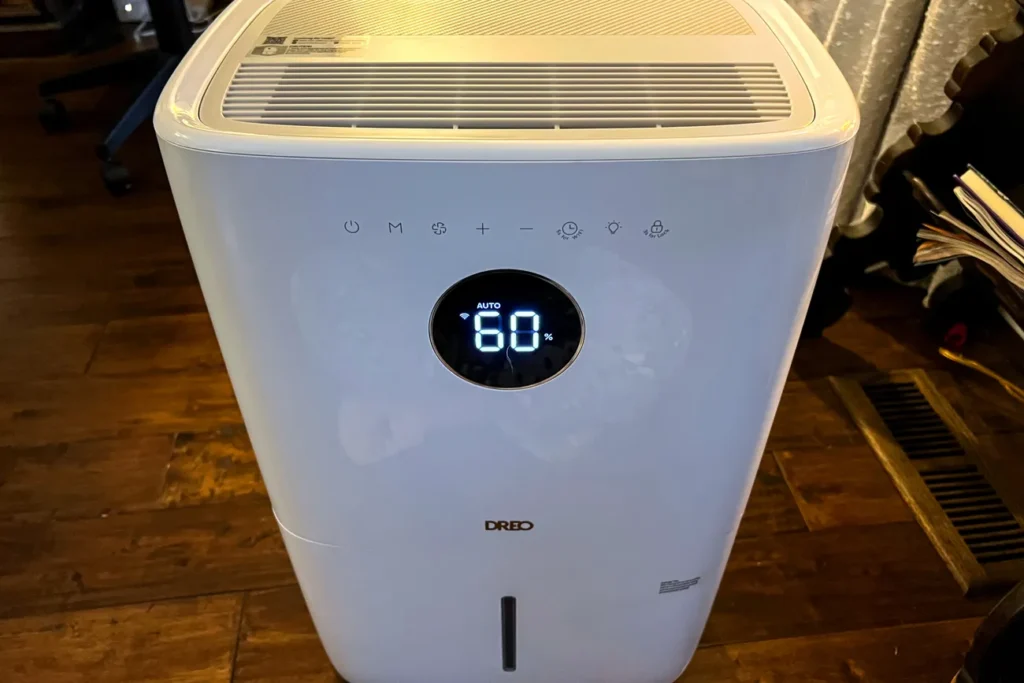
1. Manage Indoor Humidity (Keep It Between 30%–50%)
This is the starting point—and one of the most overlooked issues we see during home inspections.
In many Northern Ohio homes, especially basements and crawlspaces, humidity levels sit well above 50% without homeowners realizing it. That alone creates the perfect environment for mold.
What we recommend:
- Keep humidity between 30% and 50%
- Use a humidistat to understand humidity levels (typically $10–$20)
- Monitor basements and crawlspaces separately
In homes with sub-grade spaces, monitoring alone usually isn’t enough—you’ll typically need a dehumidifier to keep levels in range.
What we commonly see:
- Finished basements holding moisture
- Crawlspaces with elevated humidity and no monitoring
- Homes that feel “comfortable” but are actually too humid
Bottom line: If you’re not measuring humidity—especially in basements and crawlspaces—you’re guessing.
2. Use Dehumidifiers Where They’re Actually Needed
In Northern Ohio, dehumidifiers are part of owning a home—especially if you have any sub-grade space.
That includes:
- Basements
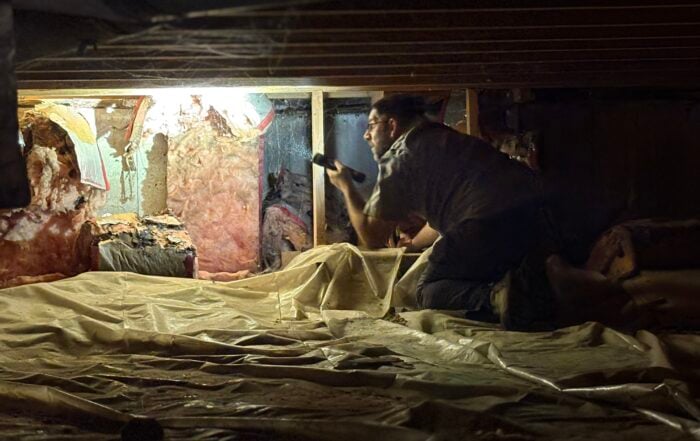
- Crawlspaces
A space doesn’t need standing water to have a problem. Slight dampness over time is enough to support mold growth.
What we recommend:
- Any sub-grade portion of the home (basement or crawlspace) should have a dehumidifier installed
- Set it to around 50% humidity
- Most units will turn on and off automatically based on humidity levels
- Keep up with maintenance (drainage, filters, operation)
What we commonly see:
Homes without dehumidifiers in basements or crawlspaces almost always show elevated humidity at some point.
Where people get this wrong:
They treat dehumidifiers as optional—or only use them after a problem shows up.
Bottom line: In this area, dehumidifiers in basements and crawlspaces aren’t upgrades—they’re basic moisture control.
3. Improve Air Circulation & Ventilation
Mold tends to show up where air doesn’t move.
We commonly see issues in:
- Bathrooms without proper exhaust (consider installing a timer switch for bath fans, allowing them to run and turn off automatically)
- Attics with poor ventilation
- Crawlspaces with stagnant air
What we recommend:
- Install and actually use bathroom exhaust fans
- Make sure fans vent outside—not into the attic
- Address airflow in basements and crawlspaces where moisture builds up
Important:
There’s no one-size-fits-all approach here. Ventilation depends on how the home is built.
Bottom line: Moving air helps control moisture—but only if it’s done correctly.
4. Control Water at the Exterior (Grading, Gutters, Downspouts)
A lot of interior mold problems start outside the house.
This is one of the most overlooked things we see during inspections across Northern Ohio.
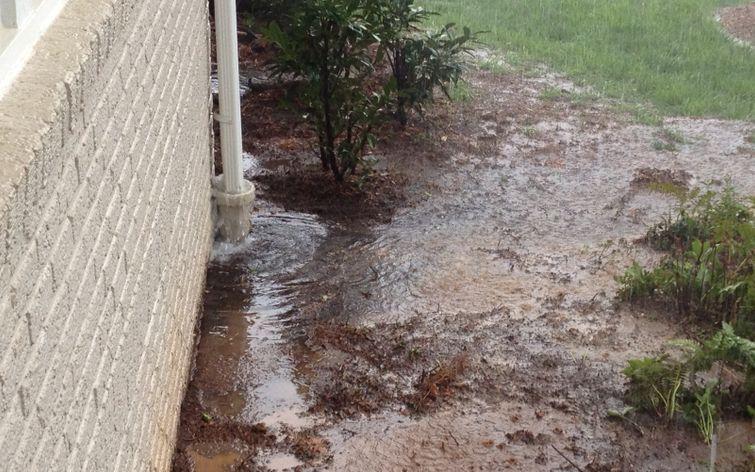
Common issues:
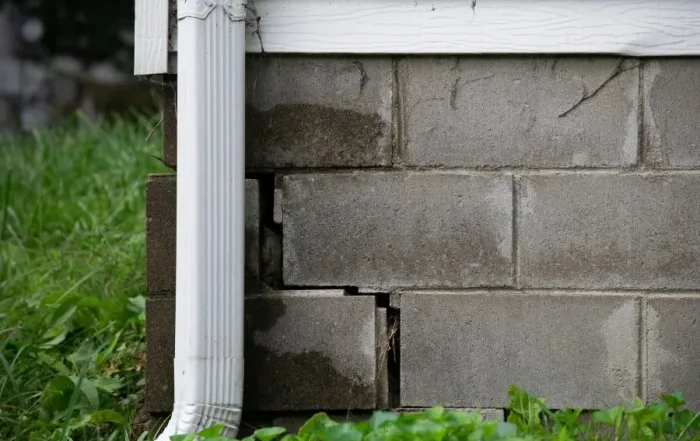
- Downspouts discharging right next to the foundation
- Gutters clogged or missing
- Yard sloping toward the home
What we recommend:
- Extend downspouts 4–6 feet away
- Keep gutters clean and functional
- Make sure water drains away from the house
Bottom line: If water isn’t controlled outside, you’ll keep dealing with it inside.
5. Radon Mitigation Systems (A Secondary Moisture Benefit)
This isn’t why you install a radon system—but it’s something we see often.
In many Northern Ohio homes, radon mitigation systems also help reduce moisture levels, especially in basements.
What we commonly observe:
- Improved air movement under the slab
- Slightly drier basement conditions
Important:
This is a side benefit—not a primary solution for mold prevention.
Bottom line: Helpful if you already need it, but not something to rely on for moisture control.
What Homeowners Consistently Get Wrong
This is the biggest issue we see:
They remove the mold—but don’t fix the source.
That usually looks like:
- Cleaning mold without addressing humidity
- Treating basement or crawlspace mold without fixing drainage
- Running a dehumidifier without improving airflow
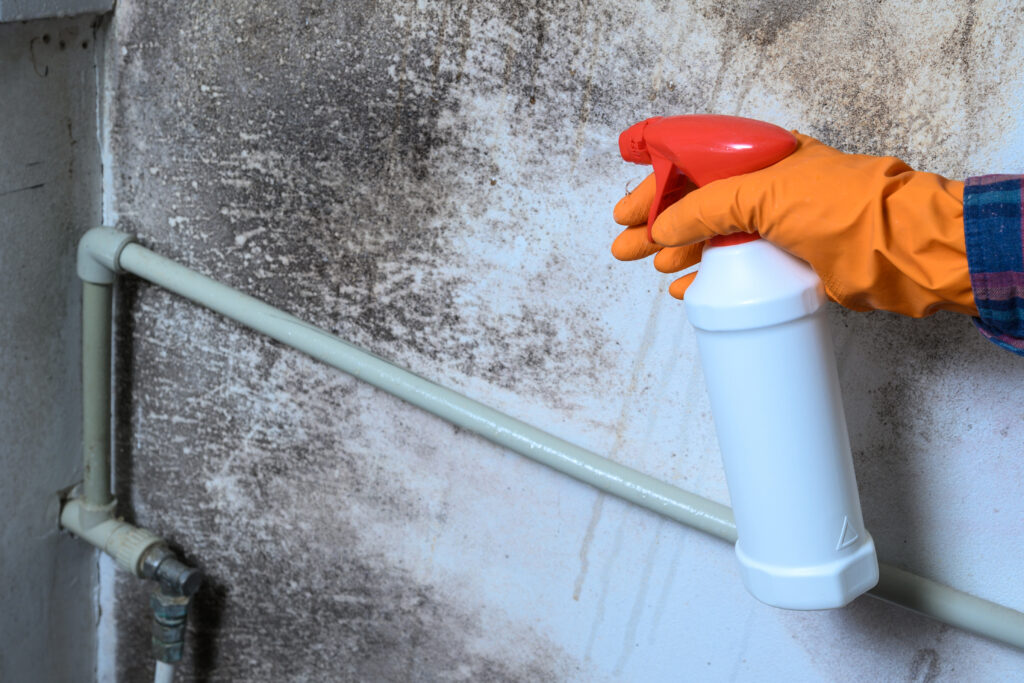
Another common mistake: using the wrong cleaners.
We still see homeowners use bleach, which doesn’t penetrate porous materials well and often doesn’t fully remove mold.
What we recommend:
- Use peroxide-based cleaners for more effective deep cleaning
- Focus on fixing the moisture issue first—cleaning comes second
Bottom line: If you don’t fix the source and clean it properly, mold can come back.
When Mold Prevention Matters Most
This becomes more important if:
- You have a basement or crawlspace
- The home has had past mold or moisture issues
- You notice musty odors
- You’re buying or selling a home in Toledo, Cleveland, Findlay, or surrounding Northern Ohio areas
The Bottom Line
Mold prevention isn’t complicated—but it does require attention.
Focus on:
- Humidity control
- Moisture management
- Proper airflow
And most importantly:
Don’t treat mold like the problem—it’s a sign of a bigger issue.
Fix the source, and you prevent it from coming back.
When It Makes Sense to Test for Mold
If you’re dealing with a possible mold issue, sometimes the question isn’t just how to prevent it—it’s whether you already have a problem.
In those cases, testing can help give you a clearer answer.
We offer:
- Airborne mold testing – measures mold spores in the air to see if levels are elevated inside the home
- Mold swab testing – used on visible areas to identify the type of mold present
When we typically recommend testing:
- You notice a musty smell but don’t see visible mold
- There’s been a past water or moisture issue
- You’re buying a home and want more clarity before moving forward
- You’ve had remediation done and want to verify the issue is resolved
When it may not be necessary:
If there is visible mold and a clear moisture source, the priority is usually fixing the problem—not testing it.
Bottom line:
Testing is a tool—not always a requirement. But in the right situations, it can help you make a more informed decision.

About the Author
Christie Napp : Marketing Manager
Christie manages marketing efforts for Erie Inspection, leading content creation, design, and social media while supporting inspection scheduling and coordination. She brings a strong background in creative services and holds a BFA in Visual Communications from Ohio University.

Contact Us
Contact us for your home inspection today!
 800-434-6022