
Furnace Combustion Analysis (Gas Furnace Safety Test)
Identify Hidden Furnace Problems Before You Buy the Home
When you purchase a home, the furnace is one of the most expensive systems in the house. A replacement can easily cost $5,000–$7,000 or more depending on the equipment and installation.
During a standard home inspection, the furnace is visually inspected and operated, but many of the most serious furnace problems occur inside the unit, where they cannot be seen.
Our Furnace Combustion Analysis is an optional add-on service that goes beyond a visual inspection. Using specialized instruments, we analyze the exhaust gases produced by the furnace to detect hidden safety and performance issues.
This test can help identify problems such as:
- Elevated carbon monoxide production
- Improper combustion
- Gas pressure issues
- Exhaust venting problems
- Conditions that may warrant further HVAC evaluation
For home buyers, this provides additional information about whether the heating system appears to be operating safely at the time of inspection.
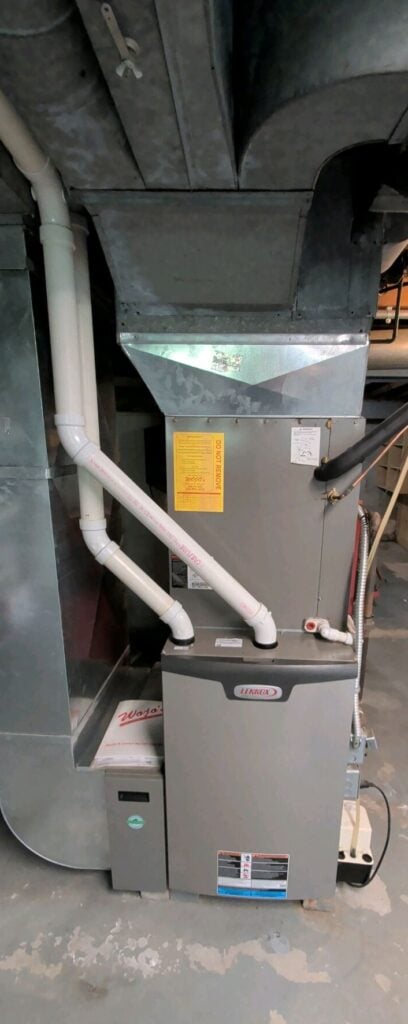
Especially Valuable for Furnaces Over 10 Years Old
Furnaces experience significant stress during normal operation.
Every heating cycle exposes the furnace to extreme temperature changes. Over time, this repeated expansion and contraction can contribute to wear and deterioration inside the appliance.
Over time this repeated expansion and contraction can lead to:
- Corrosion
- Pinhole leaks
- Improper combustion
- Venting or draft concerns
- Conditions that may warrant further HVAC evaluation
Combustion analysis does not directly prove that a heat exchanger is cracked. However, abnormal readings can sometimes indicate conditions that warrant further evaluation by a licensed HVAC contractor. While combustion analysis can be valuable for any gas furnace, it is especially recommended when the furnace is 10 years old or older, when the service history is unknown, or when the buyer wants a deeper look at furnace safety and performance before closing.
What Is Furnace Combustion Analysis?
Combustion analysis is a diagnostic test that measures the exhaust gases produced when a furnace burns fuel.
Our inspectors use a UEI C161 Residential Combustion Analyzer to measure key exhaust gas readings while the furnace is operating. This includes readings such as carbon monoxide, carbon dioxide, oxygen, flue temperature, and combustion-efficiency data. These readings help provide a deeper look at how the furnace appears to be burning fuel and venting exhaust at the time of inspection.
During the test:
- The furnace is operated normally.
- A small probe from the analyzer is inserted into the furnace exhaust flue.
- The analyzer measures the composition of the combustion gases.
- The readings are reviewed for abnormal conditions that may suggest improper combustion, venting concerns, or the need for further evaluation.
Most furnaces already have a small service port in the flue for this type of testing. If one is not present, a small access hole may be drilled and sealed with a service plug — a standard practice used during professional HVAC maintenance.
What We Measure
A combustion analyzer collects multiple readings from the furnace exhaust. These readings provide information that cannot be gathered from a visual inspection alone.
Combustion readings are interpreted based on the appliance type, test conditions, and the overall pattern of results. The purpose of this test is not to “certify” the furnace. It is to provide additional safety and performance information that a visual inspection alone cannot provide.
Why Add Combustion Analysis to Your Home Inspection?
A combustion analysis is an optional add-on service that gives buyers a deeper look at how gas appliances are operating, including furnaces, boilers, and water heaters.
- Helps Screen for Carbon Monoxide Concerns
Gas appliances can appear to run normally while still producing elevated carbon monoxide. Combustion analysis helps screen for CO levels in the appliance exhaust, giving buyers more safety-related information before closing. - Gives a Better Picture of Furnace Performance
A standard home inspection confirms whether the heating system operates. Combustion analysis goes further by measuring how cleanly and efficiently the appliance is burning fuel. - May Help Identify Venting or Exhaust Problems
Restrictions, blockages, improper venting, or poor draft can affect how combustion gases leave the appliance. Combustion analysis can reveal abnormal readings that may point to venting or exhaust concerns that should be evaluated further by an HVAC contractor. - May Reveal Gas Pressure or Burner Operation Issues
Too much or too little gas pressure can affect burner performance and combustion quality. Combustion analysis can help identify abnormal combustion patterns that may indicate the appliance needs service or adjustment.
Identifying these issues during the inspection process can help buyers avoid unexpected furnace repairs or replacement costs after purchasing the home.
Standard Home Inspection vs. Combustion Analysis
Combustion analysis provides data that a visual inspection alone cannot reveal.
What Furnace Combustion Analysis Can Tell You
Furnace Combustion Analysis provides additional information about how a gas furnace is burning fuel and venting exhaust at the time of inspection.
This test can help screen for concerns such as elevated carbon monoxide production, improper combustion, venting issues, or conditions that may warrant further evaluation by a licensed HVAC contractor.
It does not replace a full HVAC service appointment, guarantee future furnace performance, or prove that a heat exchanger is free of defects.
If abnormal readings are found, we document the findings in the inspection report and may recommend further evaluation.
Common in Ohio Homes
Gas furnaces are the most common heating system in Ohio. Energy data shows that roughly two-thirds of homes in the state use natural gas for heating, making furnace safety and performance a major consideration for home buyers.
Because of this, combustion analysis can be particularly valuable for buyers purchasing homes in areas such as:
- Toledo
- Sandusky
- Cleveland
- Findlay
- Medina
- Akron
These regions experience long heating seasons, meaning furnaces operate for many months each year.

Frequently Asked Questions
Schedule Your Home Inspection
Buying a home is a major investment, and the condition of the heating system can have a significant impact on both safety and future repair costs.
Adding Furnace Combustion Analysis to your inspection provides deeper insight into how the furnace is actually operating.
Add Furnace Combustion Analysis for Additional Furnace Safety Testing
 800-434-6022