
How to Choose a Home Inspector: 12 Things Every Home Buyer Should Know
To choose a good home inspector, look for experience, proper licensing, ongoing training, positive customer reviews, and clear communication. Ask what’s included in the inspection price, request a sample report, and find out whether the inspector will answer questions afterward. Most importantly, don’t choose a home inspector based on price alone.
Whether you’re buying your first home or your fifth, choosing the right home inspector is an important part of the home-buying process.
Homes throughout Northern Ohio and Southern Michigan vary in age, construction, and condition. That’s why it’s important to choose an inspector with the experience and training to evaluate the type of home you’re purchasing.
After more than 37 years in business at Erie Inspection Service, one piece of advice we consistently give buyers is simple: Compare apples to apples.
Do your research, ask questions, and understand exactly what you’re getting before scheduling your inspection.
What Should You Look for When Choosing a Home Inspector?
A good home inspector should have the experience and training to evaluate a home’s accessible systems and components, communicate findings clearly, and help you understand the property’s condition without unnecessarily alarming you.
Here’s a quick comparison guide to help you evaluate inspection companies.
| What to Compare | What to Look For |
| Experience | Practical home inspection experience |
| Licensing | A properly licensed inspector where required |
| Training | Consistent, ongoing education and hands-on training |
| Reviews | Positive feedback and a history of satisfied customers |
| Inspection services | A clear explanation of what’s included in the price |
| Technology | Whether tools such as infrared cameras are included |
| Inspection report | A detailed, easy-to-read report |
| Warranty | Whether coverage is offered and what limitations apply |
| Communication | An inspector who takes time to answer questions |
| Follow-up support | Availability to discuss findings after the inspection |
No single qualification tells you everything about an inspector. It’s the combination of experience, knowledge, professionalism, and communication that matters.
1. Should You Choose the Cheapest Home Inspector?
Not necessarily. The lowest-priced home inspection isn’t always the best value. Buyers should compare experience, services, reporting, and customer support before making a decision. One of the biggest mistakes buyers can make is choosing the lowest price without researching what they’re getting.
Buying a home is expensive. There are plenty of costs involved, and saving money where possible makes sense. But your home inspection is an important part of understanding the investment you’re about to make. For example, if one company charges $350 and another charges $650–$750, don’t automatically assume the cheaper inspection is the better deal—or that the more expensive one must be better.
Ask why the prices are different. Does one company include services the other charges extra for? Does one provide a more detailed report? Does the inspector have more experience? Will they answer questions after the inspection? An experienced, knowledgeable, professional home inspector is worth the investment. Spending a little more on your inspection could potentially help you avoid a much more expensive surprise after taking possession of the home.
How Much Should a Home Inspection Cost?
The cost of a home inspection depends on the size, age, and type of home, as well as the services included. There isn’t one set price that’s right for every property. A larger home may take more time to inspect than a smaller one. Older homes can also present different inspection considerations, and additional services such as radon testing or sewer scope inspections may increase the total cost.
When comparing quotes, make sure you’re looking at similar services and understand exactly what’s included. If you’re wondering what a home inspection might cost for the property you’re considering, you can use our home inspection cost estimator to get a price based on your inspection needs. Remember, an estimate is a starting point. The real question isn’t just how much an inspection costs, but what you’re receiving for that price. The goal is to understand the value you’re receiving, not simply compare prices.
2. How Important Is a Home Inspector’s Experience?
Experience is important when choosing a home inspector, but it should be combined with ongoing training and continuing education. An older home in Cleveland or Toledo may have very different inspection considerations than newer construction in a growing suburban community. A knowledgeable inspector should be comfortable evaluating different types of homes and recognizing when something needs further investigation. But experience alone isn’t enough.
Homes, building materials, technology, and inspection practices continue to evolve. A good inspector should continue improving their knowledge throughout their career. In Ohio, home inspectors are required to be licensed. Licensing establishes an important baseline, but passing an exam is only part of becoming a knowledgeable inspector. Education should remain a priority throughout an inspector’s career. In-person, hands-on training is especially valuable because inspectors can apply what they learn to real-world situations.
When researching inspection companies, ask:
- How much experience does the inspector have?
- Does the company provide ongoing education?
- Do inspectors receive hands-on training?
- Is the inspector familiar with the type and age of home I’m purchasing?
- How does the inspector stay current with inspection practices and technology?
Don’t just ask whether an inspector is licensed. Ask what they’re doing to continue their education.
3. What’s Included in the Home Inspection Price?
Before hiring a home inspector, ask exactly what’s included in the quoted price and what services may cost extra. This is where comparing apples to apples really matters. Two inspection companies may advertise similar prices, but what you receive can be very different. For example, every home inspection at Erie Inspection Service includes an infrared camera scan and a third-party limited warranty. Other companies may charge extra for these services or may not offer them at all.
When comparing home inspection companies, ask:
- What does the standard home inspection include?
- Are infrared camera scans included or an additional charge?
- Is a limited warranty provided, and what are its limitations?
- Are there additional fees for services I may need?
- What kind of inspection report will I receive?
- Will the inspector be available for questions after the inspection?
The lowest advertised price isn’t necessarily the best value. Make sure you understand exactly what you’re getting before scheduling.
4. How Can You Tell if a Home Inspector Has Good Reviews?
Look for consistent positive feedback about thoroughness, professionalism, communication, and customer satisfaction—not just a high star rating. Customer reviews can help you understand what working with a particular home inspection company may be like.
Look beyond the overall rating and read what people are saying. Are buyers mentioning that the inspector took time to explain findings? Was the report understandable? Did customers feel informed rather than frightened?
Also, consider whether the company has a consistent history of customer satisfaction. Pay attention to customers who mention using the same inspection company for multiple home purchases. Repeat customers can be a meaningful sign of trust. A newer inspector with fewer reviews may still be an excellent choice. The important thing is to look for credible, consistent feedback rather than relying on a star rating alone.
5. Should You Ask for a Sample Home Inspection Report?
Yes. Reviewing a sample home inspection report is one of the easiest ways to understand what you’ll receive and compare the quality of reporting between companies. The inspection report is one of the most important things you’ll take away from your inspection. It should provide detailed information about the home’s condition while remaining organized and easy to understand.
When reviewing a sample report, ask yourself:
- Is the report easy to navigate?
- Are the findings explained clearly?
- Are photos included to help identify concerns?
- Can you tell which items may require attention?
- Does the report explain when further evaluation is recommended?
Also, ask how quickly you’ll receive your report. Some companies provide same-day reports, while others may take longer. This can be important when you’re working within a limited inspection contingency period. Don’t assume that a longer report is always a better report. What matters is whether you can understand the findings and use the information to make informed decisions.
6. Can You Contact the Home Inspector After the Inspection?
You should ask whether your inspector will be available to answer questions after the inspection report has been delivered. A home inspection can generate a lot of information, especially for buyers who are unfamiliar with certain home systems. It’s not unusual to think of additional questions after reviewing the report or discussing findings with your real estate agent. You may need clarification about something the inspector found, or you might want to better understand a recommendation in the report. Your inspector should be willing to explain their findings and help you understand the information they provided. A good inspection company’s support shouldn’t end when it hands over the report. Before choosing a company, ask what happens if you have questions a few days or weeks after the inspection.
7. What Should You Expect During a Home Inspection?
A standard home inspection is a visual evaluation of the home’s accessible systems and components at the time of the inspection. A home inspector evaluates the property from top to bottom, inside and out.
A typical residential home inspection addresses accessible areas and components such as:
- Roofing and visible roof components
- Exterior walls, siding, doors, and windows
- Foundation and accessible structural components
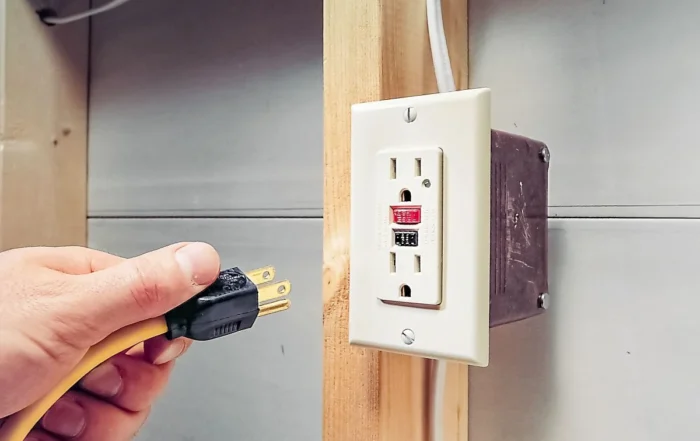
- Electrical systems
- Plumbing systems
- Heating and cooling systems
- Attics and accessible insulation
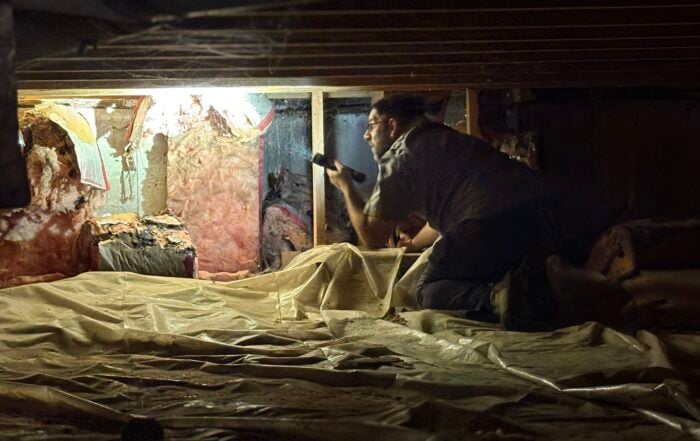
- Basements and crawl spaces
- Interior rooms and other accessible areas
The exact scope depends on the inspection agreement, applicable standards, and property conditions.
Can a Home Inspector Find Every Problem?
No. Even the best home inspector cannot find every potential problem with a property. A home inspection is visual and generally noninvasive. Inspectors do not move furniture, tear up carpeting, or open walls to look for hidden issues. An inspector can only evaluate what is visible and accessible on the day and at the time of the inspection. Some defects may be hidden, and certain problems may not show symptoms until later. Understanding these limitations helps buyers set realistic expectations about what a home inspection can accomplish.
8. Should a Home Inspector Tell You Whether to Buy the House?
No. A home inspector’s job is to provide unbiased information about the condition of the home, not make the purchase decision for you. A home inspector shouldn’t be there to kill a deal or scare buyers. The goal is to help buyers understand what they’re purchasing. Every home has imperfections, even brand-new homes. Some issues may involve routine maintenance. Others may need repairs or further evaluation. A good inspector should communicate findings honestly and clearly, without minimizing legitimate concerns or making problems sound more frightening than they are. The information should help you decide what questions to ask, what repairs to investigate, and whether you’re comfortable moving forward. It’s your home purchase, and ultimately, it’s your decision.
9. Should You Attend Your Home Inspection?
Yes, if your schedule allows. Although attending isn’t required, being there for at least the final review gives you valuable one-on-one time with your inspector. Buyers are strongly encouraged to attend their inspection, especially for the review at the end. It’s an opportunity to discuss findings, ask questions, and have the inspector walk through the home with you if needed. A home inspection should also be an education about the home.
Even if you’ve purchased several homes before, each property has its own systems, features, and maintenance considerations. The more you understand about your new home, the better prepared you’ll be to care for it. If you can’t attend, you should still receive a detailed report and have a way to contact your inspector with questions.
10. Should You Consider Additional Inspection Services?
Additional services such as radon testing, sewer scope inspections, and airborne mold testing can provide a more comprehensive understanding of a home, but not every buyer needs every service. When comparing home inspection companies, ask what additional testing they offer and whether those services are included in the quoted price.
Some services worth considering include:
- Radon testing: Worth considering for any home, since elevated radon levels can occur regardless of the home’s age.
- Sewer scope inspections: Particularly worth considering for older homes or properties with mature trees and bushes near the home.
- Airborne mold testing: May be helpful for buyers with specific indoor air quality concerns or mold sensitivities.
Additional testing can provide valuable information, but every buyer has different priorities and budgets. The important thing is to understand your options so you can decide what makes sense for your situation.
11. Should You Use the Inspector Your Real Estate Agent Recommends?
Your real estate agent’s recommendations can be a useful starting point, but you should research the inspectors yourself before choosing one. Many agents provide buyers with a list of home inspection companies they’ve worked with. There’s nothing wrong with considering those companies. But don’t automatically schedule with the first inspector on the list. Visit their websites, read their reviews, look at sample reports, and compare what’s included.
Most importantly, call the companies and talk to them. Find out how they answer your questions and whether they take time to explain their services. A professional home inspection company should be willing to help you understand what you’re purchasing before you schedule. The inspector should work to provide you with an objective assessment of the home, regardless of who recommended the company. Choose someone you feel comfortable with and confident in.
12. What Are the Red Flags When Choosing a Home Inspector?
Unusually low prices without a clear explanation, poor communication, unclear qualifications, and unwillingness to discuss what’s included are reasons to take a closer look before hiring.
Here are some things that should prompt additional questions:
- An unusually low price: Find out why the inspection costs less and what services may not be included.
- An inspector who won’t explain the process: You should understand what to expect before scheduling.
- Limited information about experience or training: A professional inspector should be comfortable discussing qualifications.
- No sample inspection report: Ask whether you can review an example of the report you’ll receive.
- Poor communication: If a company doesn’t have time to answer questions before the inspection, consider how that might affect your experience afterward.
- Unclear follow-up support: Find out whether someone will be available to help you understand the report.
A low price alone doesn’t prove an inspector is unqualified, just as a higher price doesn’t guarantee a better inspection. It’s about the overall value, professionalism, and confidence you have in the company.
Questions to Ask Before Hiring a Home Inspector
Use this checklist when comparing home inspection companies:
- How much experience does the inspector have?
- What ongoing training does the inspector receive?
- What exactly is included in the inspection price?
- Do you include infrared camera scanning?
- Is there a limited warranty, and what are its exclusions?
- Can I review a sample home inspection report?
- How soon will I receive my report?
- Can I attend the inspection and speak directly with the inspector?
- Will you answer questions after the inspection is complete?
These questions can help you make a better comparison than price alone.
Why We Share This Advice
At Erie Inspection Service, we’ve been helping home buyers better understand the homes they’re purchasing for over 37 years. Our inspectors receive ongoing, hands-on training because we believe education and experience go hand in hand. We’re also fortunate to have earned thousands of five-star reviews and the trust of customers who return to us when purchasing their next home.
We’re proud of that history, but we also know that no inspector is perfect, and no home inspection can uncover every possible issue. That’s why we believe in being straightforward about what an inspection can and cannot do.
Whether you choose Erie Inspection Service or another company, our advice is the same: Do your research, ask questions, and choose an inspector you feel confident in.
The Bottom Line: How to Choose the Right Home Inspector
Choosing a home inspector is an important decision, whether you’re purchasing your first home or have been through the process several times.
Don’t base your decision on price alone.
Research the company’s experience, ask about ongoing training, read customer reviews, and find out what’s included in the inspection. Look at a sample report. Ask whether the inspector will answer questions afterward. Make sure you understand both the benefits and limitations of the inspection.

About the Author
Christie Napp : Marketing Manager
Christie manages marketing efforts for Erie Inspection, leading content creation, design, and social media while supporting inspection scheduling and coordination. She brings a strong background in creative services and holds a BFA in Visual Communications from Ohio University.



Contact Us
Contact us for your home inspection today!
 800-434-6022