
Preparing for Home Inspection Day
Buying a home is exciting, and inspection day is one of the biggest milestones in the process. By this point, your offer has been accepted, you have probably already started picturing yourself in the home, and now it is time to take a much closer look at what you are actually buying.
That can make inspection day exciting, but it can also make it a little nerve-racking. A good inspection may give you more confidence in the home. On the other hand, a major finding could cause you to slow down, gather more information, renegotiate, or reconsider the purchase altogether. There can be a lot riding on the day, so we think it helps to go into the inspection with the right expectations.
Whether you are buying in Cleveland, Lakewood, Rocky River, Westlake, Strongsville, Parma, Solon, or elsewhere in Northeast Ohio, here are three things to keep in mind when preparing for inspection day.
1. Every Home Comes With a To-Do List
It sounds cliché, but it is true: no house is perfect.
We inspect brand-new homes that are just being completed and still find problems. It may be a siding installation issue, a plumbing defect, an electrical concern, or something else that needs to be corrected by the builder. If brand-new homes have issues, it should not be surprising that a home that is 20, 50, or 100 years old is going to have a list as well.
That is especially important to remember when buying in the Cleveland area, where the housing stock can vary dramatically from one neighborhood to the next. We inspect newer homes in the suburbs, older homes in communities like Lakewood and Cleveland Heights, and just about everything in between. Every age and style of home comes with its own set of common issues and maintenance needs.
The point is not to excuse defects. Serious issues should absolutely be taken seriously. The point is to go into the inspection understanding that the inspector is going to find things, and that does not automatically mean you are buying a bad house.
Owning a home is always going to involve some level of maintenance, repair, and improvement. In many ways, buying a house is deciding which set of issues you are comfortable taking on.
2. Put the Findings in Perspective
If you hired a thorough inspector, there is a good chance your inspection report is going to contain a lot of information. That is a good thing. You hired someone to look closely at the home and point out things that you probably would not notice during a typical showing.
The challenge is that buyers can sometimes get overwhelmed when they see a long report. It is also common for someone to latch onto one specific issue and begin to spiral before they have had a chance to understand the rest of the home.
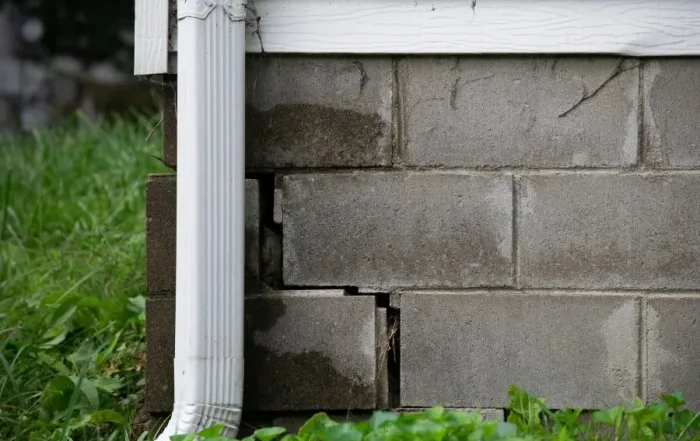
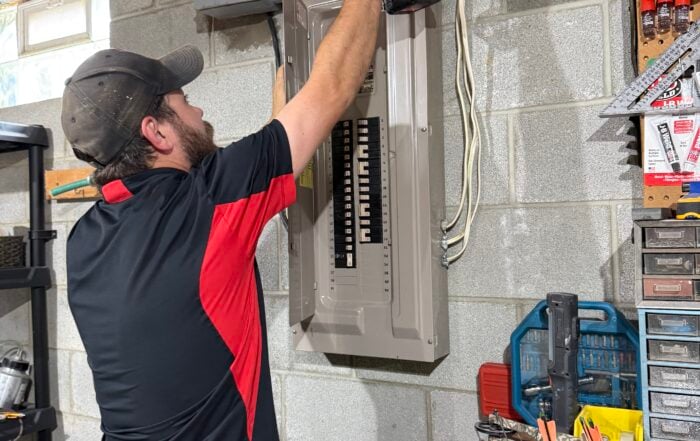
Maybe the inspector finds a foundation crack, evidence of a roof leak, an older electrical panel, or a plumbing concern. Any of those things may deserve attention, but it is important not to make a decision based on one sentence or one photograph in the report.
Take your time. Listen to the inspector’s explanation, review the report in its entirety, and then start to prioritize what was found.
We have used a simple “bucket” approach for years because it helps buyers organize a lot of information into something more manageable. Our previous guidance on inspection reports follows the same general idea of separating findings by their level of importance rather than treating every item equally.
Bucket 1: Health and Safety Issues
The first bucket includes items that could affect the health or safety of the people living in the home. These might include electrical shock hazards, missing smoke or carbon monoxide detectors, unsafe railings, combustion concerns, or other conditions that could create a safety risk.
These items deserve attention because they are directly related to the people who will be living in the house. Some may be relatively simple to correct, while others may require a professional, but they should be understood and prioritized.
Bucket 2: Major Defects or Deficiencies
The second bucket is where we place the larger concerns. These are the issues that may require additional information before you feel comfortable moving forward.
Examples could include structural movement, active water intrusion, a major roof problem, significant electrical concerns, sewer issues, or a defect that requires further evaluation by a specialist. These are the findings where it may make sense to bring in a structural engineer, electrician, plumber, roofer, sewer contractor, or other qualified professional to better understand the scope of the issue and what it may cost to repair.
A finding in this category does not automatically mean you should walk away from the house. It simply means you need more information before making a decision.
Bucket 3: Maintenance and Your Future To-Do List
The third bucket is usually the longest, and that is completely normal.
Every home has a maintenance list. Maybe the gutters need attention, the exterior grading could be improved, the furnace should be serviced, a few windows are showing signs of seal failure, or there are smaller plumbing, electrical, or exterior items that should be addressed over time.
These are still important, but they usually do not need to be treated with the same urgency as a structural concern or active leak. Think of this category as the beginning of your homeownership project list.
3. Turn the Inspection Report Into a Plan
This may be one of the most important things to remember after the inspection.
When buyers receive a detailed report, it is easy to start mentally adding up every repair and assuming everything needs to be completed immediately. In most cases, that is not realistic and it is not necessary.
The better approach is to prioritize the findings and come up with a plan. Address the important health and safety concerns. Get more information on major defects. Then decide which maintenance items should happen during the first few months of ownership and which can be pushed further down the road.
You are going to have a to-do list when you own a home. We all do. That is part of homeownership, and for a lot of people it is part of the fun. You make improvements over time, take care of the house, and slowly make it your own.
The goal of the inspection is not to hand you a list of 50 things that must be fixed before you move in. The goal is to help you understand what you are taking on and make a plan for it.
Other Important Considerations for Inspection Day
Should You Attend the Home Inspection?
If at all possible, yes.
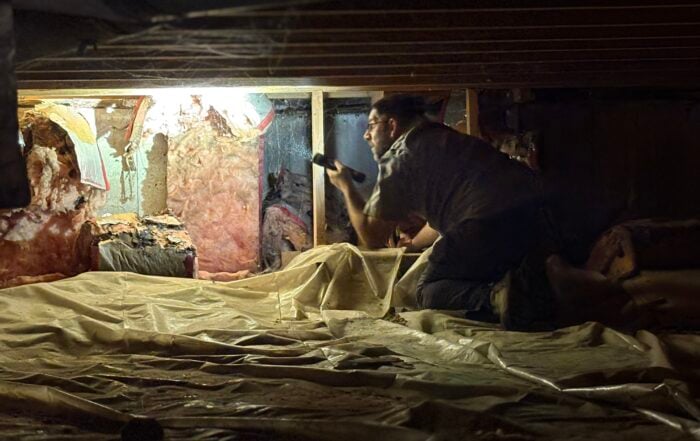
We strongly encourage buyers to be at the home inspection because there is a big difference between reading about an issue in a report and actually seeing it firsthand. Being on site allows the inspector to show you what they found, explain why it matters, and answer questions while you are standing in front of the issue.
You do not need to be there for the entire inspection, though. Depending on the size, age, and condition of the home, an inspection can take anywhere from roughly two to four hours. Buyers are welcome to attend the entire time, but if your schedule does not allow for that, we recommend being there for at least the final 30 minutes to one hour.
That final portion of the inspection is especially valuable because it gives the inspector time to review the more important findings with you and gives you an opportunity to ask questions before everyone leaves the property.
Can You Follow the Inspector Around?
Absolutely. It is your inspection and your opportunity to learn about the home.
If you want to follow the inspector and ask questions as they work, that is perfectly fine. At the same time, it is helpful to remember that good home inspectors usually have a process for how they move through a house. That process creates consistency and helps reduce the chance that something gets missed.
If the inspector is constantly being pulled away from one area to answer unrelated questions somewhere else in the home, it can break that process. We always want buyers to ask questions, but we also recommend giving the inspector enough room to work through the home systematically.
There will be plenty of time to discuss findings, especially near the end of the inspection.
What Should You Do Before the Home Inspection?
You do not need to do much, but a little preparation can make the inspection more useful.
Start by reviewing the seller’s property disclosure. Pay attention to anything involving previous water intrusion, foundation repairs, roofing problems, plumbing issues, electrical work, or other known defects. If something stands out to you, make sure the inspector knows about it.
It is also a good idea to think back to your showing and make a short list of anything that caught your attention. Maybe there was a stain on a basement wall, a crack you noticed, an unusual smell, or something about the electrical system that you did not understand. You do not need to diagnose the issue. Just bring it up so the inspector can take a closer look.
Finally, come with questions. There are no bonus points for pretending you understand something when you do not. Buying a home involves a lot of systems and terminology that most people do not deal with every day. Ask what something means, how urgent it is, who would typically repair it, and whether it is common for a home of that age.
A good home inspection should be educational.
What If the Inspector Finds Something Serious?
This is the point where it is especially important not to jump to conclusions.
If the inspector finds something significant, take the time to understand what it actually means. In some cases, the next step may be getting a specialist involved or obtaining a repair estimate. A structural concern may need an engineer. A roofing issue may require a roofer. A sewer problem may need a plumber.
Once you have better information (cost & time involved), you can decide what makes sense.
Maybe the issue is manageable and you are comfortable moving forward. Maybe you want to ask the seller to make a repair or provide a credit. Maybe you want to renegotiate part of the transaction. In some situations, the issue may be serious enough that you reconsider the purchase.
This is also where a good real estate agent is worth their weight in gold. Your inspector can help you understand the condition of the home, but your real estate agent can help guide you through how the findings relate to the transaction, the purchase agreement, and any negotiations that may follow.
The important thing is to avoid reacting out of worry or fear. Get the facts, form a plan, and make an informed decision.
What Should You Do After the Inspection?
Once the inspection is complete, take some time to review the report from beginning to end.
Do not just skip to the summary and make a decision based on the first major item you see. Read the inspector’s explanations, look at the photographs, and think about the house as a whole.
Then go back to the three buckets. What affects health and safety? What are the major defects or deficiencies that need more information? What falls into the maintenance and future-project category?
From there, form a plan. Get estimates where necessary. Talk with your real estate agent about the findings that may affect the transaction. Decide which issues you are comfortable taking on and which ones you are not.
That process is much more useful than simply asking whether the inspection was “good” or “bad.”
The Bottom Line
Inspection day is a big day, but it does not need to be an overwhelming one.
Go into it expecting the inspector to find things, because they will. Remember that no house is perfect, whether it was built last year or 100 years ago. Give the inspector time to work through their process, be present for the review if at all possible, and ask questions when something does not make sense.
Most importantly, do not judge the house based on the length of the report or one finding that initially sounds scary. Take the time to understand the entire picture, prioritize what matters, gather more information when necessary, and come up with a plan.
A home inspection is not about finding a perfect house. It is about understanding the house you are considering purchasing well enough to make an informed decision.

About the Author
Taylor Radloff : General Manager
Taylor oversees finance, accounting, marketing, and company strategy at Erie Inspection Service. Before joining Erie, he worked as a Multinational Banker at J.P. Morgan and brings a strong background in business operations and financial management.

Contact Us
Contact us for your home inspection today!
 800-434-6022