
A home is not just a house. It is a collection of major systems working together: the roof, structure, electrical system, HVAC equipment, plumbing, and windows & doors. When those systems are in good condition, the home is easier to maintain and budget for. When several are near the end of their life or have major defects, the cost of ownership can change quickly.
That does not mean buyers should walk away from every home with an older roof, a foundation crack, or an aging furnace. The goal is to understand what you are buying. If you evaluate the major systems, understand their condition, and get realistic estimates when needed, you will be better prepared for homeownership.
Here are seven of the biggest repair expenses Cleveland and Northern Ohio buyers should pay attention to before closing.
1. Roof Replacement
A roof replacement can cost anywhere from roughly $8,000 to $30,000 or more, depending on the size, pitch, material, and complexity of the home. Asphalt shingles are the most common roofing material we see in Northern Ohio. They often last around 20 to 25 years, although weather, installation quality, ventilation, and maintenance all affect their lifespan.
During a home inspection, we look for signs such as:
- Granular loss
- Cupped or curled shingles
- Missing or cracked shingles
- Previous repairs
- Soft roof decking
- Active or past leakage
We cannot determine the exact age of a roof by looking at it, but we can evaluate its visible condition and give an educated opinion about its remaining life.
Flashings are just as important as shingles. These are installed around chimneys, vents, skylights, walls, and other roof transitions to direct water away from vulnerable areas. A roof can have decent shingles and still leak because a flashing was installed incorrectly.
If the roof appears near the end of its life, get an estimate before closing. Home buyers can then work with their real estate agent and decide whether to negotiate, request repairs, or simply budget for replacement.
If the seller completes the work, we always recommend that our clients ask for receipts and verify that a qualified contractor performed the repairs – not a DIY seller.
2. Foundation Movement
Foundation cracks are common, but not all cracks mean the same thing. In general, narrow vertical cracks are less concerning than horizontal cracks. However, the size, location, pattern, and foundation material all matter. Horizontal cracks are more concerning because they can be caused by hydrostatic pressure pushing against the foundation wall.
A crack should never be evaluated in isolation. The home inspector should also look for:
- Wall movement
- Cracks in interior finishes
- Doors that do not close properly
- Water intrusion
- Previous repairs
- Exterior grade and drainage problems
Small shrinkage cracks in poured concrete are common and are usually not structural. Horizontal cracks, larger cracks, displacement, or related movement elsewhere in the home deserve closer attention. A foundation concern does not automatically mean the home is a bad purchase. Most foundation problems can be repaired.
The important questions are:
- What is causing the movement?
- Does it appear active?
- What repair is recommended?
- What will it cost?
If it is the right home, do not automatically let a foundation issue derail the purchase. Bring in the right contractor or structural professional, get pricing, and make an informed decision.
3. Electrical System Problems
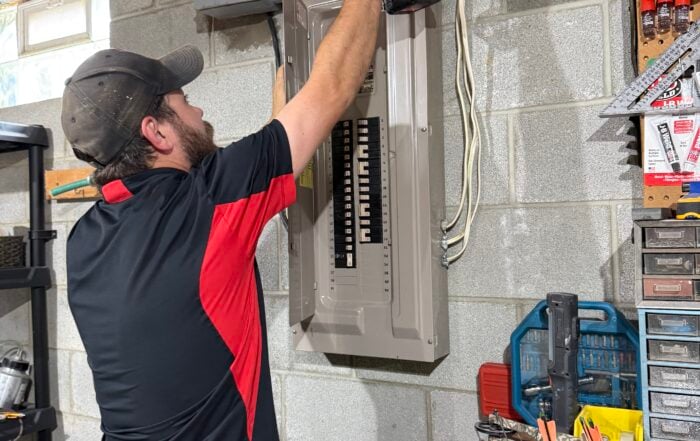
Electrical issues can become expensive because once work begins, modern code requirements may apply to portions of the system being altered. What first appears to be a panel replacement may turn into a larger service upgrade, grounding improvements, permit requirements, meter work, or corrections elsewhere in the system. That is why buyers should get pricing from a licensed electrician when a major electrical concern is identified.
Common concerns include:
- Older electrical panels
- Defective panel equipment
- Undersized electrical service
- Extensive do-it-yourself wiring
- Improper splices
- Missing grounding
- Knob-and-tube wiring
Knob-and-tube wiring deserves special attention in older Cleveland homes. It is not automatically dangerous simply because it exists. The bigger concerns are improper modifications over the years, insulation covering the wiring, lack of grounding, and insurance availability. Buyers considering a home with knob-and-tube wiring should speak with their insurance provider before closing as it has become more challenging to find coverage in certain circumstances.
4. Basement or Crawlspace Water Intrusion
Water intrusion is common in Cleveland and throughout Northern Ohio. Depending on the severity, repairs can range from simple drainage improvements to a major waterproofing project involving excavation, drainage tile, wall repairs, and exterior waterproofing. However, not every wet basement needs an expensive waterproofing system.
Many problems can be improved by correcting the basics:
- Clean the gutters
- Extend downspouts at least six feet away from the home
- Maintain positive grading
Efflorescence, the white powdery material often found on masonry basement walls, is usually not a structural concern by itself. However, it does indicate that moisture has moved through the wall.
During the home inspection, we look for visible evidence of past or present moisture, including staining, damaged finishes, mold-like growth, rot, and high moisture readings. However, a home inspection is based on the visible conditions at the time of the inspection. We cannot guarantee that a basement will remain dry during every future storm. That is why buyers should carefully review the seller disclosure and ask whether there has ever been a history of basement or crawlspace flooding.
5. Furnace and Air Conditioner Replacement
Replacing a furnace and central air conditioner can cost around $8,000 to $12,000 for many standard systems, although the final price depends on the home and equipment. In Northern Ohio, furnaces and air conditioners are commonly installed together. Because of that, they often age on a similar timeline.
During the inspection, we evaluate:
- Approximate age
- Operation
- Installation
- Ventilation
- Airflow
- Visible damage or corrosion
The system may be working on the day of the inspection and still be near the end of its useful life. That is an important distinction. Older equipment can often be maintained and repaired, but repeated breakdowns and service calls may stop making financial sense. Replacing both systems together is not always necessary. However, if they are similar in age, buyers should consider getting pricing for both options.
6. Windows and Exterior Doors
Windows and doors are easy to underestimate.
One damaged window may not be a major issue. A home full of rotted wood windows, failed seals, damaged frames, or leaking doors can become expensive quickly.
Common concerns include:
- Wood rot
- Moisture damage
- Failed seals
- Broken hardware
- Poor operation
Sliding patio doors deserve extra attention because they are notorious for leaking, especially when they face the weather side of the house. A home inspector should look closely at the lower track, adjacent flooring, trim, flashing, and signs of past moisture.
If several windows or exterior doors are flagged during the inspection, get pricing before closing. Replacement costs vary widely. A standard vinyl replacement window is very different from a large custom wood window, specialty shape, historic unit, or high-end patio door.
7. Sewer Line Failure
The sewer line is one of the most overlooked systems in a home because it is buried underground. Sewer-line problems are commonly associated with older homes, particularly homes built in the 1970s and earlier. Many of these homes have clay-tile sewer lines, which may be vulnerable to:
- Tree-root intrusion
- Cracks
- Offsets
- Partial blockages
- Collapse
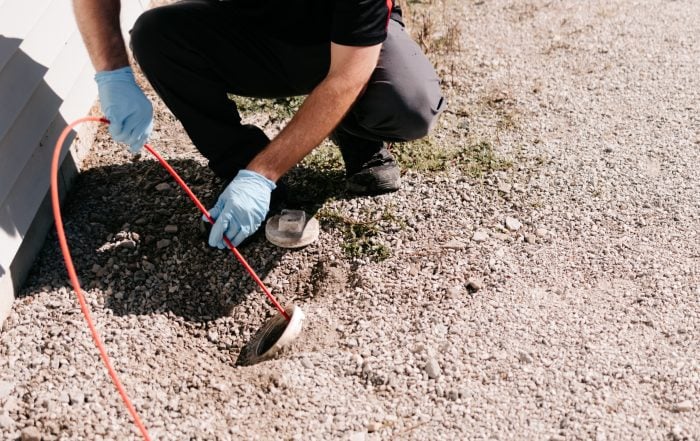
During a standard home inspection, we run water through sinks, tubs, showers, and toilets to stress the drainage system. This may reveal slow drainage, backups, leaks, or gurgling. However, it does not allow us to see the buried sewer line. A sewer-scope inspection uses a specialty camera to inspect the interior of the pipe for visible problems. This is an additional service, not normally part of a standard home inspection. For older Cleveland homes, especially those with mature trees or a history of drainage problems, a sewer scope is worth considering.
How Buyers Should Use the Inspection Report
The goal is not to create a list of reasons to avoid a home. The goal is to create a realistic picture of the systems you are purchasing.
- A home may have:
- A newer roof but an older furnace
- A solid foundation but aging windows
- Updated electrical equipment but an original sewer line
- A dry basement but poor exterior drainage
- Older systems that still have useful life
Every home is different.
Once the inspection is complete, separate the findings into three groups:
- Safety concerns
- Maintenance items
- Repair or replacement items
This makes the report easier to understand and helps buyers focus on the issues that may affect their budget or decision.
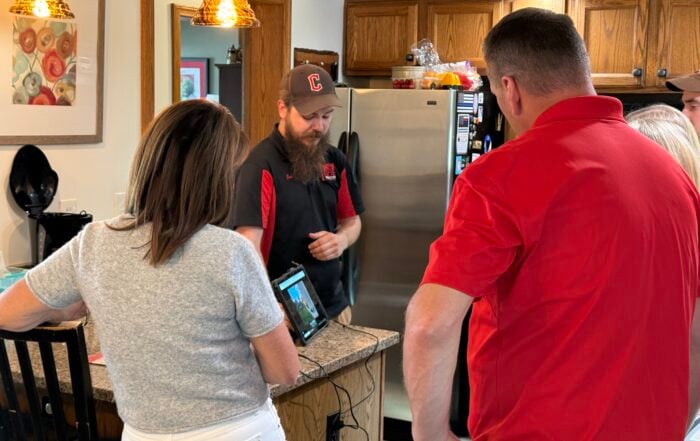
For any major concern, buyers should consider getting a specialist estimate before the inspection or contingency period ends. That estimate gives the buyer better information for negotiations and future planning.
The Bottom Line
Think of a home as a set of systems, not just a house. The roof keeps water out. The foundation supports the structure. The electrical system distributes power. The HVAC system heats and cools the home. The drainage system manages water. The windows and doors protect the openings. The sewer line carries waste away. When you understand the condition of those systems and what they may cost to repair or replace, you have a much clearer picture of what you are buying.
Homeownership will always come with surprises. A thorough home inspection cannot eliminate every unknown, but it can give you a strong baseline, help you budget, and put you ahead of many home buyers before you close.

About the Author
Taylor Radloff : General Manager
Taylor oversees finance, accounting, marketing, and company strategy at Erie Inspection Service. Before joining Erie, he worked as a Multinational Banker at J.P. Morgan and brings a strong background in business operations and financial management.

Contact Us
Contact us for your home inspection today!
 800-434-6022