
5 Winter Home Maintenance Tips for Northern Ohio Homeowners
Winter in Northern Ohio can be tough on our homes. Between freezing temperatures, snow, rain, and frequent freeze-thaw cycles, there are a few important maintenance tasks homeowners should think about before colder weather arrives. Whether you live in the Toledo area, Cleveland, or somewhere in between, taking care of a few simple things now can help prevent costly repairs later.
At Erie Inspection Service, we’ve been inspecting homes since 1989, and we’ve seen firsthand how easily some of these maintenance items can be overlooked, especially by first-time homeowners who may not know what needs to be done. With colder weather on the way, we wanted to share five things we recommend checking before winter arrives.
1. Winterize Exterior Faucets to Prevent Frozen Pipes
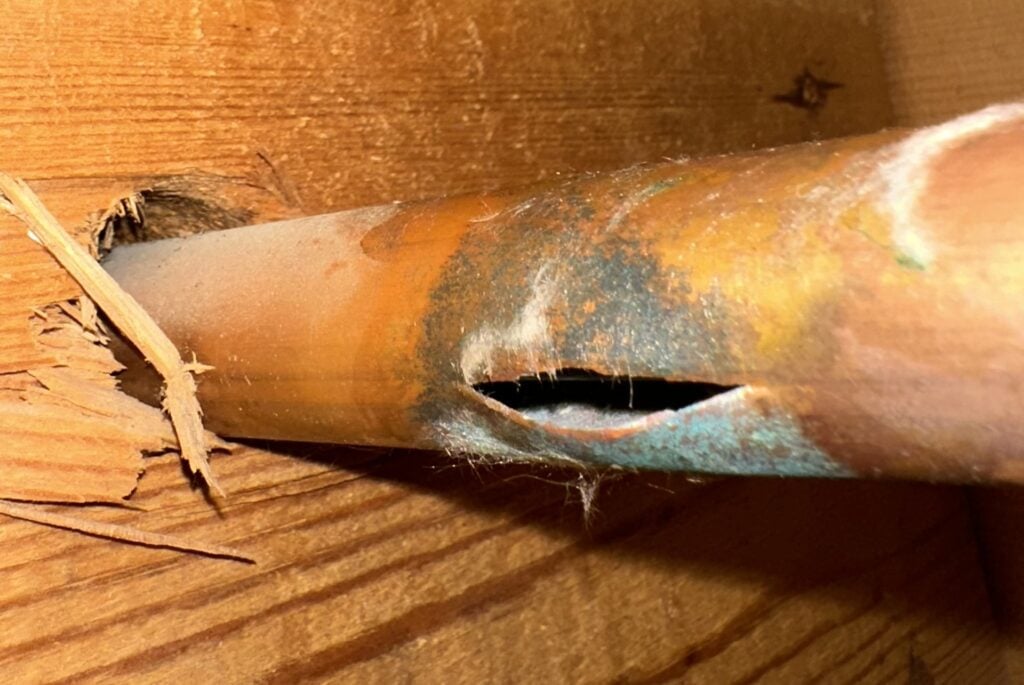
One of the simplest and most important fall maintenance tasks is preparing your exterior faucets for freezing temperatures. Water trapped inside a pipe can freeze, expand, and cause the pipe to burst, potentially leading to costly water damage.
Many homeowners, especially first-time homebuyers, simply don’t realize that exterior faucets need to be winterized. To help prevent problems, disconnect all garden hoses, splitters, and other attachments from exterior faucets before freezing weather arrives. Even frost-free faucets can freeze and burst if a hose is left connected.
If your home has interior shutoff valves for exterior faucets, follow the appropriate winterization procedure, which may include shutting off the water supply and draining the lines. The process will depend on the type of faucets installed in your home, but it’s an important maintenance item that shouldn’t be overlooked. A few minutes of preventive maintenance now could save you thousands of dollars in repairs later.
2. Service Your Furnace or Boiler
If you haven’t had your heating system serviced recently, fall is a good time to do it. Many HVAC companies offer relatively affordable annual maintenance plans, often around $200 per year, that include a fall heating service and a spring air-conditioning service. Pricing and what’s included will vary depending on the contractor and your equipment.
Heating and cooling equipment is a lot like a vehicle: regular maintenance can help keep it operating properly, identify developing problems earlier, and reduce the chances of an unexpected breakdown. Although regular servicing can’t prevent every issue, it is a relatively simple way to help maintain one of the most important systems in your home. The last thing anyone wants during a Northern Ohio winter is to discover their furnace isn’t working when temperatures drop below freezing.
3. Clean Your Gutters and Check Your Downspouts
Once most of the leaves have fallen, clean debris from your gutters and make sure your downspouts are flowing freely. Water should drain away from your foundation, ideally at least 6 feet where practical. This is one of those simple maintenance items that can make a significant difference in how much water accumulates around your home.
While we all enjoy a beautiful snowfall, winter in Northern Ohio also brings rain and periods of warmer weather. When melting snow combines with rainfall, a significant amount of water can accumulate around your foundation. If gutters are clogged, downspouts aren’t directing water away from the home, or the surrounding ground slopes toward the foundation, that water can contribute to moisture problems in basements and crawlspaces.
That’s why properly functioning gutters, downspouts, and grading are so important. We regularly emphasize these items during home inspections because managing water around the exterior of a home is one of the simplest ways to help prevent moisture-related problems. Fall is an excellent time to make sure everything is working properly before winter weather arrives.
4. Test Your Carbon Monoxide Alarms
As heating season begins, furnaces, boilers, fireplaces, and other fuel-burning appliances will be getting more use. What many homeowners don’t realize is that appliances that burn natural gas and other fuels produce carbon monoxide (CO) as a byproduct of combustion. When these appliances are operating and venting properly, the combustion gases are safely exhausted from the home. However, if equipment malfunctions or isn’t properly vented, carbon monoxide can accumulate indoors.
Carbon monoxide is an invisible, odorless gas that can be deadly to both people and pets, making working CO alarms an important part of home safety. Unfortunately, these detectors are commonly overlooked, and many homeowners don’t realize that they have a limited lifespan and need to be replaced periodically.
Test your carbon monoxide alarms according to the manufacturer’s instructions and check their expiration dates. If you have combination smoke and carbon monoxide alarms, check those too. If you don’t have CO alarms, or yours are due for replacement, now is a good time to address that.
We also encourage homeowners to consider replacing their carbon monoxide alarms when moving into a new home, particularly if they don’t know the age of the existing detectors. It’s a relatively inexpensive safety measure that can provide some additional peace of mind, especially as we head into the heating season.
5. Know Where Your Main Water Shutoff Is
Do you know where your home’s main water shutoff valve is? It’s a simple question, but one that many homeowners, especially first-time buyers, haven’t thought much about. Unfortunately, the middle of a plumbing emergency isn’t the best time to start looking for it.
If a pipe freezes or a plumbing leak develops, being able to shut off the water quickly can prevent a small problem from becoming a major one. Take a few minutes to locate the valve, make sure you know how to operate it, and ensure everyone in your household knows where it is. It’s a simple bit of preparation that could make a big difference if something goes wrong.
Home Inspections Aren’t Just for Homebuyers
Most people associate home inspections with buying or selling a house, but they can be just as helpful for people who already own their homes. If you’ve been in your home for five to ten years and want a better understanding of its overall condition, a Home Maintenance Inspection can be a valuable tool.
Unlike an inspection performed during a real estate transaction, a Home Maintenance Inspection is focused entirely on helping you understand your home. It provides an opportunity to have an experienced inspector evaluate the home’s major systems and components, identify potential concerns, and help you develop a maintenance roadmap for the next several years. Perhaps most importantly, you’re getting an unbiased, professional opinion without a home sale or real estate commission tied to the advice.
This certainly isn’t something every homeowner needs to do annually. However, for homeowners who want to better understand their property, prioritize future projects, and budget for upcoming expenses, it can be extremely beneficial.
If you’d like to learn more about our Home Maintenance Inspections, give us a call at 800-434-6022 or send us a message. We’re happy to help.
The Bottom Line
A little maintenance now can save a lot of trouble later. While these five items certainly aren’t an exhaustive winter maintenance checklist, they’re a good starting point for homeowners looking to prepare for colder weather and avoid unexpected repairs.
At Erie Inspection Service, we believe understanding and maintaining your home is just as important as inspecting it. We hope these reminders help you prepare for the winter months ahead, and as always, feel free to reach out if you have questions or need some guidance.

About the Author
Taylor Radloff : General Manager
Taylor oversees finance, accounting, marketing, and company strategy at Erie Inspection Service. Before joining Erie, he worked as a Multinational Banker at J.P. Morgan and brings a strong background in business operations and financial management.



Contact Us
Contact us for your home inspection today!
 800-434-6022