
We Feel the Weight of the Inspection Too. There’s something I wish more people understood about being a home inspector: We don’t enjoy delivering bad news.
Anyone who has been involved in real estate has probably heard that the way a home inspector communicates their findings matters. And that’s absolutely true. The words we use carry weight. Our tone carries weight. The way we explain a defect can influence how a buyer feels about a home and, in some cases, whether they decide to move forward with the purchase. That’s why bedside manner matters. But at the end of the day, we still have to deliver the news. And sometimes, the news isn’t good.
I’ve stood next to buyers and watched the excitement leave their faces as I explained a major problem I discovered. You can see it in their eyes. Maybe this was the house they had already pictured their family living in. Maybe they had been searching for months. Maybe they were already imagining where the furniture would go and what their life would look like there. Then I have to show them something that could change all of that. I feel that. But my responsibility in that moment is not to make the problem sound better or worse than it is. I have to remove my emotions from the equation and give that buyer factual, unbiased information. That responsibility is one of the reasons we take documentation so seriously.
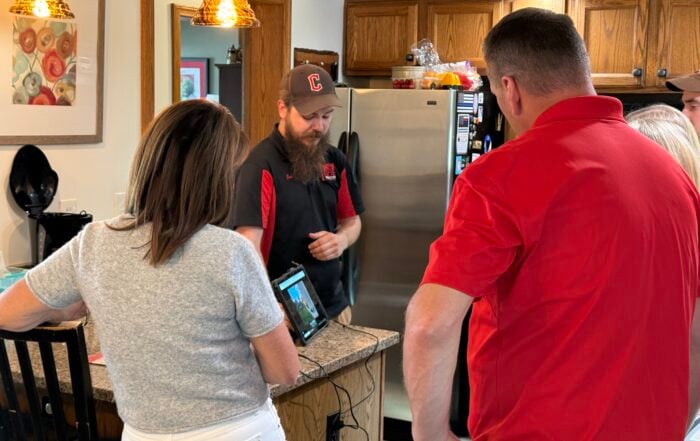
We use modern inspection technology, specialized tools, photographs, videos, and other supporting evidence whenever appropriate. We want the information in our reports to be accurate, defensible, and easy to understand.
We know there is a lot riding on a real estate transaction. There may be a family trying to buy their first home. There may be sellers who need this sale to close so they can move on to the next chapter of their lives. There may be a real estate agent who has invested countless hours into helping their client get to this point and who is counting on that closing to support their own family. We feel that weight. And contrary to what people sometimes assume, home inspectors aren’t walking into houses looking for reasons to kill deals. There is no satisfaction in being the person who discovers the problem that changes everything.
But there would be something far worse than delivering difficult news: Knowing something was wrong and failing to tell our client. Our job isn’t to convince someone to buy a house. It isn’t to convince them not to buy it. Our job is to inspect the property thoroughly, document what we find, explain those findings professionally, make recommendations, and give our client the best factual information we can.What happens next is their decision.
Sometimes the information we provide gives a buyer peace of mind. Sometimes it gives them a list of manageable repairs. Sometimes it helps everyone renegotiate and find a path forward. And yes, sometimes it changes the entire direction of the transaction. None of those outcomes make the inspection good or bad. What matters is whether the information was accurate. We may have to remain unbiased, but that doesn’t mean we’re unaffected by the difficult conversations our findings sometimes create.
We know what’s at stake. We feel the pressure. We see the disappointment. And then we do what our clients hired us to do: We tell them the truth about the house. 🏡
About the Author
Jordan Radloff : Inspector Manager
Jordan is an Ohio-licensed, ASHI-certified home inspector with additional licenses in radon testing, wood-destroying insect inspections, and drone operation. Outside of work, he enjoys traveling, cooking, and spending time with his wife and sons.

Contact Us
Contact us for your home inspection today!
 800-434-6022